
Reiseroute
In October 2024 I spent two weeks exploring the Seychelles, an island nation of around 115 islands in the Indian Ocean, northeast of Madagascar. They're best known for their striking granite rocks shaped by erosion, powder-white beaches and a sea in shades of blue I've rarely seen anywhere else.
My route took me across the three best-known main islands: five nights on Mahé, four nights on Praslin, a few days on La Digue, and finally one last night back on Mahé before my flight home. Each island had its own distinct character, from the livelier main island of Mahé with its green mountains to the car-free, laid-back La Digue.
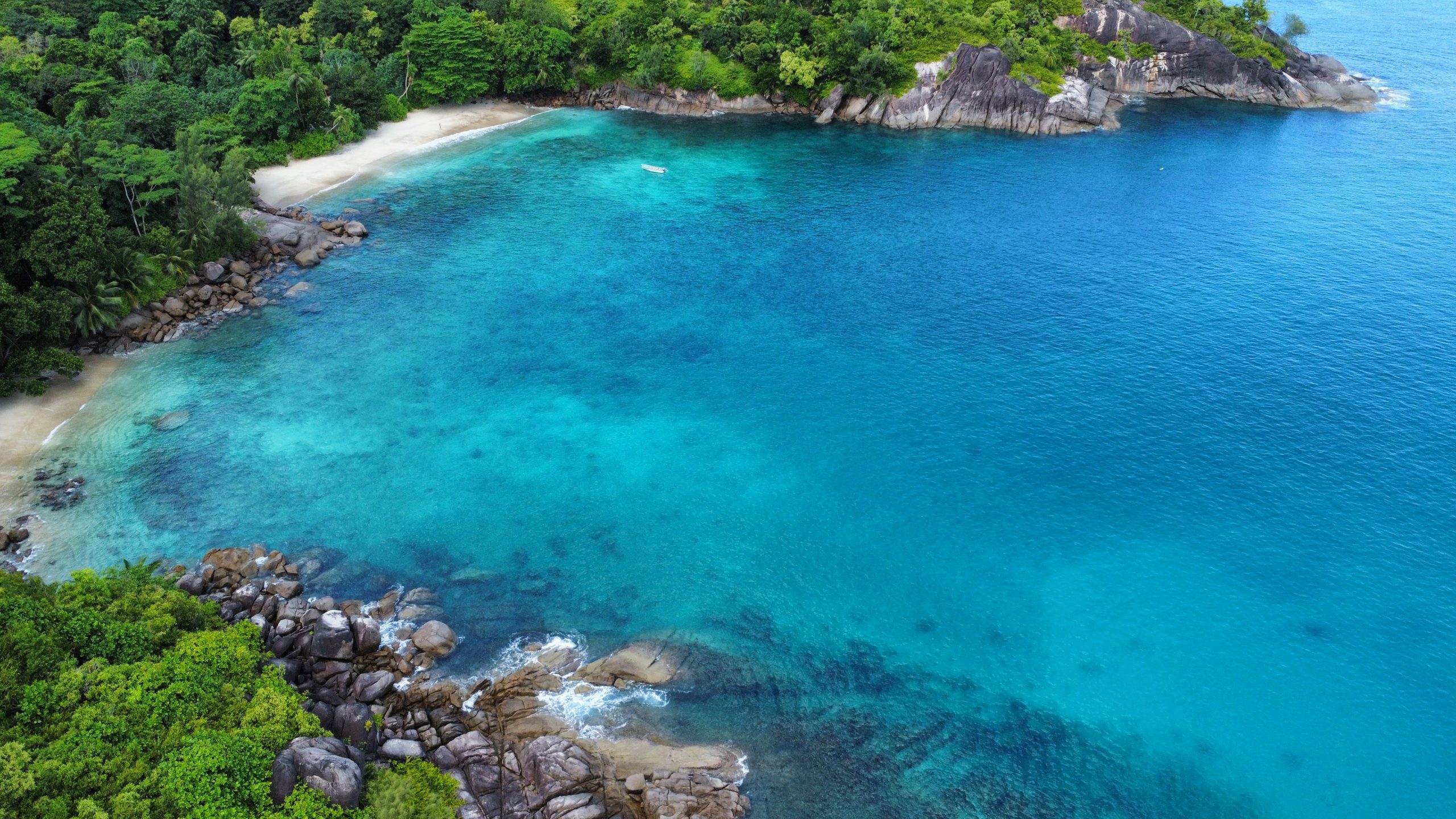
Mahé, the largest island of the Seychelles, is the perfect introduction for anyone wanting to experience breathtaking beaches, impressive nature and Creole island life. Lush green mountains, turquoise water and white sand beaches: Mahé combines everything that makes the Seychelles so special. Alongside well-known beaches like Beau Vallon and Anse Intendance, countless hiking trails wind through the tropical Morne Seychellois National Park, while the capital Victoria charms with colorful markets, colonial architecture and plenty of Creole flair.
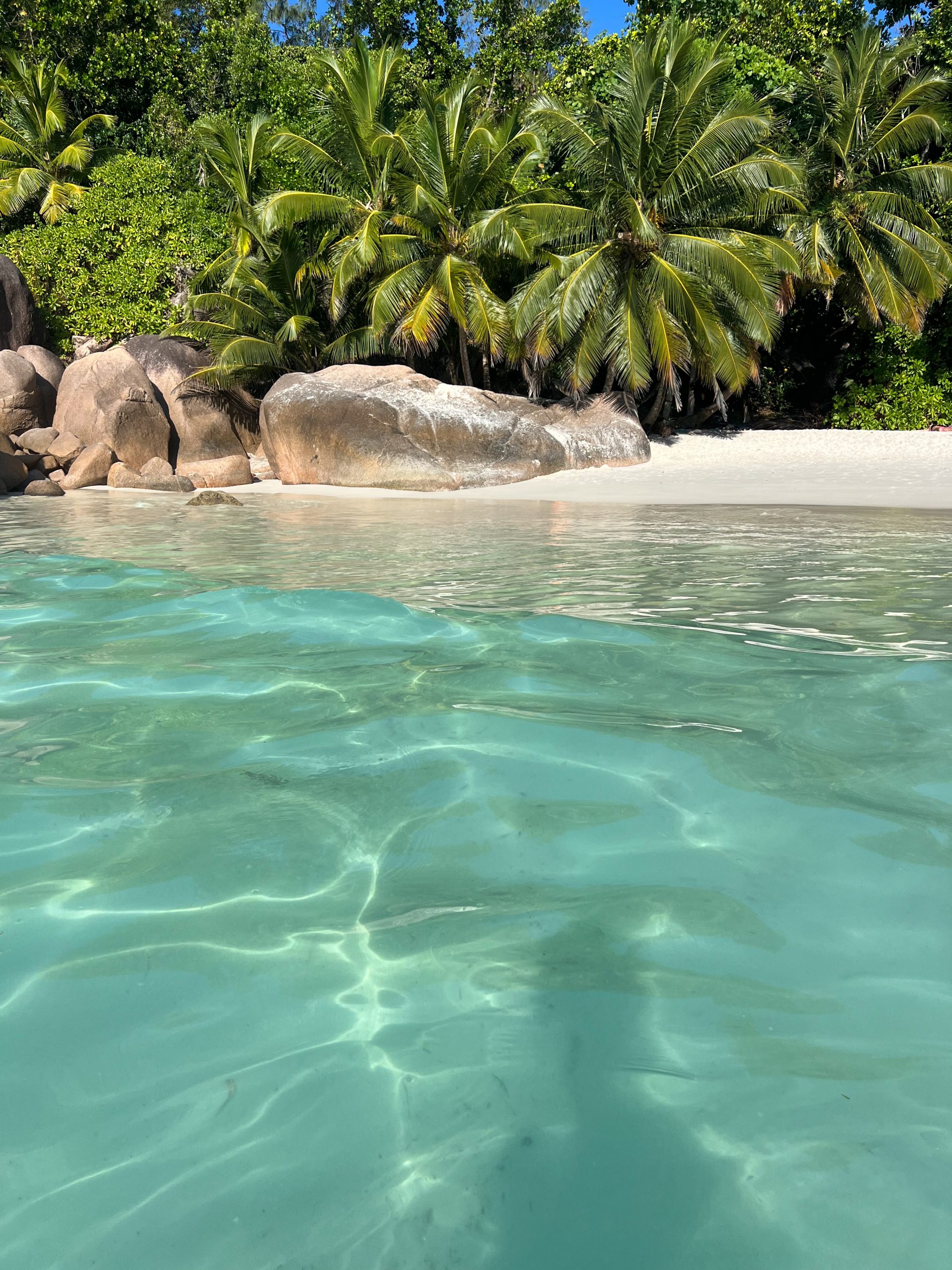
Praslin, the second-largest island of the Seychelles, delights with a relaxed atmosphere, paradise-like beaches and unique nature. It's home to some of the most beautiful beaches in the world, including Anse Lazio and Anse Georgette, which with their fine sand and turquoise water could come straight out of a picture book. A highlight is the Vallée de Mai, a UNESCO World Heritage site and home to the legendary Coco de Mer palm, with dense palm forests, exotic birds and the gentle rustle of leaves.
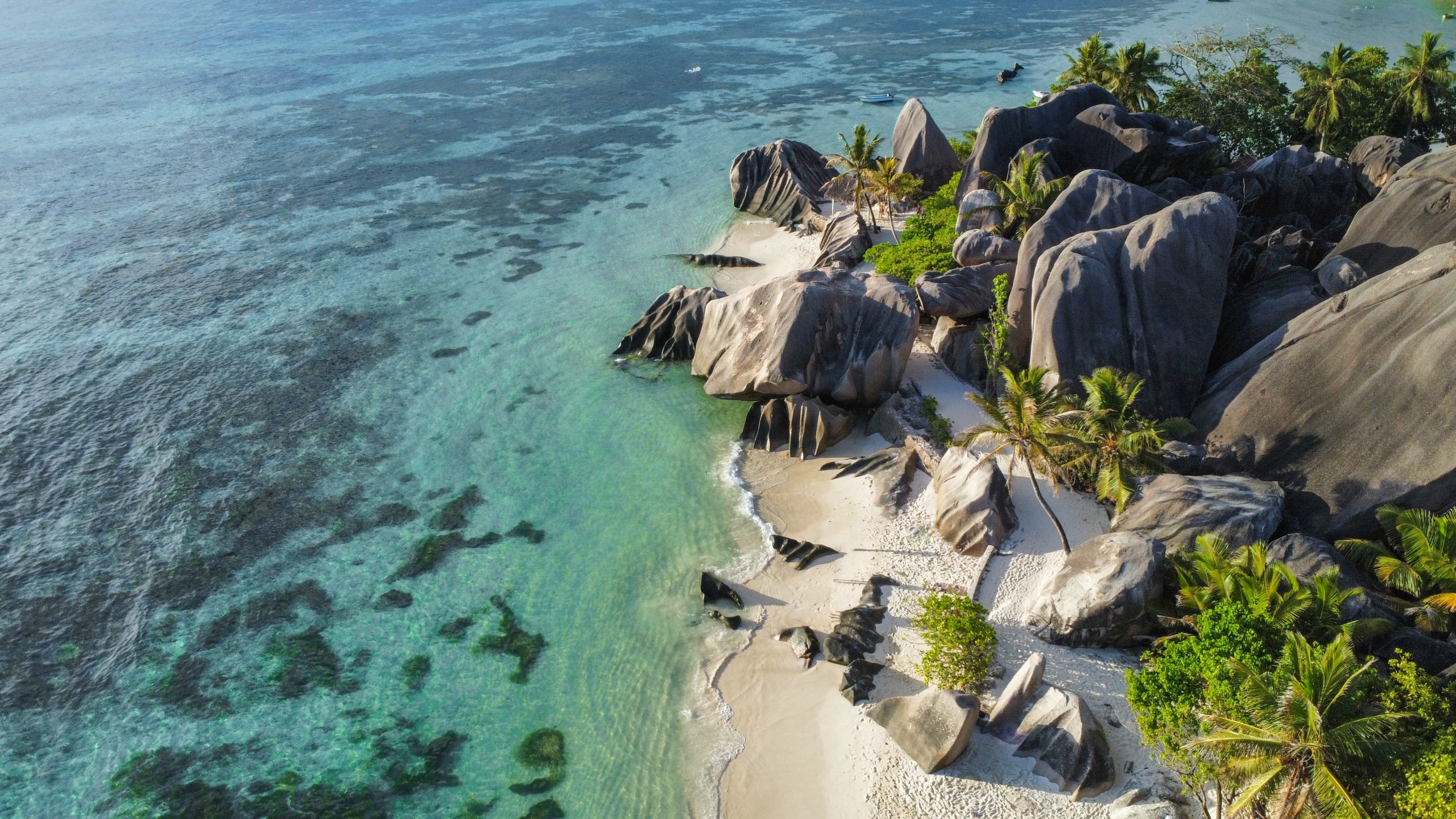
La Digue, arguably the most idyllic island of the Seychelles, enchants with laid-back island life, breathtaking beaches and unique nature. Without major roads or cars, the best way to explore the island is by bicycle, taking in the picturesque landscape at your own pace. Anse Source d'Argent, one of the most famous beaches in the world, impresses with huge granite rocks, fine sand and crystal-clear water, an absolute postcard scene, but hidden coves like Anse Marron or the untouched Grand Anse also make La Digue a paradise for beach lovers.
There are direct flights from a few European hubs, though from Germany it's usually with one stopover. Ferries and small planes connect the main islands, and on the islands themselves rental cars, taxis or bicycles are common.
The range spans from small guesthouses and self-catering apartments to well-known luxury resorts, and prices overall sit above the average of many other tropical destinations.
Creole cuisine combines African, Indian, Chinese and French influences, with plenty of fresh fish, curries and coconut milk. Tap water is generally not recommended for drinking, bottled water is available everywhere.
Seychellois society is religiously mixed and generally relaxed with visitors. Casual clothing is common on the beaches, while in towns and when visiting churches slightly more conservative clothing is appreciated. Tipping in restaurants and on tours is common but not strictly required.