Search

Where's your next trip?

Italy, coastal road with colorful houses by the sea
HomeDestinationsEuropeItaly
Destination

Italy

approx. 2 hrs from Frankfurt
Apr–Oct
Culture · Cuisine · Coast
No visa
Entry (DE passport)
Apr–Oct
Best time
GMT+1
Time zone
EUR
Currency
Country Guide

Why a trip to Italy is worth it

Italy packs an extraordinary amount of variety into a relatively small area: ancient ruins and Renaissance art in the cities, gentle vineyard-covered hills in Tuscany, rugged cliffs along the Amalfi Coast, and powder-white beaches in Calabria.

Add to that a cuisine considered the benchmark worldwide, from pizza and pasta to regional specialties that differ noticeably from one area to the next. For travelers from Germany, Italy is also refreshingly easy to reach, whether by plane, train or car.

In August 2023 I spent two weeks driving across the country from Frankfurt, from Florence through Tuscany, Rome and Alberobello all the way to Tropea and the Amalfi Coast. Everything I share here comes from that road trip.

Good to know
One of the densest concentrations of UNESCO World Heritage sites anywhere
Huge climatic and scenic variety between the Alps and the Mediterranean
Regional culinary traditions with sometimes very different specialties
Good rail and road infrastructure, many destinations reachable without a rental car
As an EU country, wonderfully uncomplicated for German travelers, no visa, euro as currency
Interactive Map
Our Stops on the Map

Highlights

My stops in Italy

You'll find accommodations, beaches, food and activities directly on each place's detail page.

Florence, Italy
Tuscany
Florence

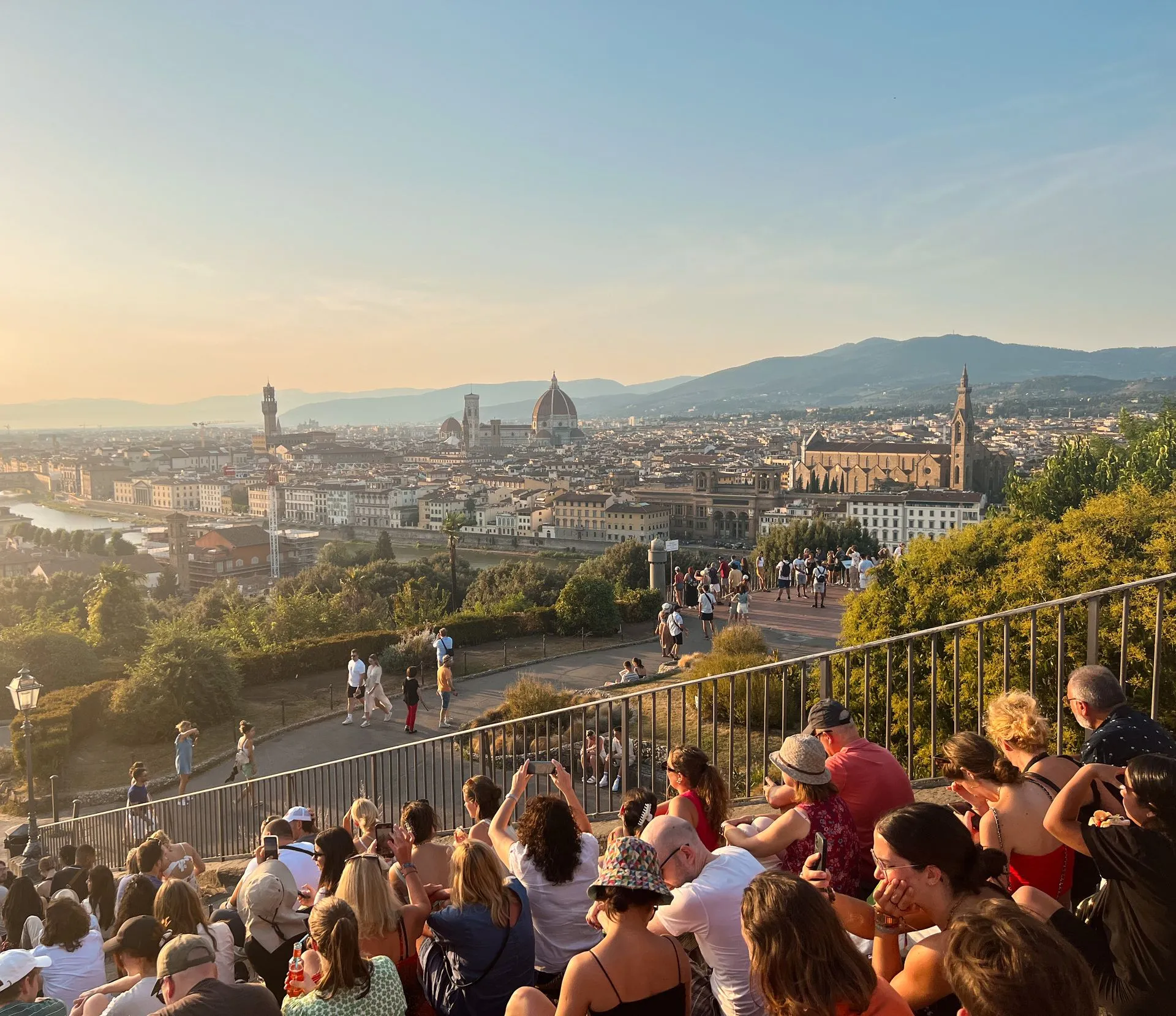
The kickoff of my two-week road trip: the cradle of the Renaissance with the Santa Maria del Fiore cathedral, the Ponte Vecchio and the Uffizi, plus narrow lanes full of trattorias and gelaterias.

Santa Maria del Fiore cathedral with Brunelleschi's domePonte Vecchio and the UffiziPiazzale Michelangelo viewpoint at sunset
For the best view over the city, it's worth the climb up to Piazzale Michelangelo shortly before sunset.
Gentle hilly landscape with vineyards in Tuscany
Tuscany
Tuscany (Chianti Region)

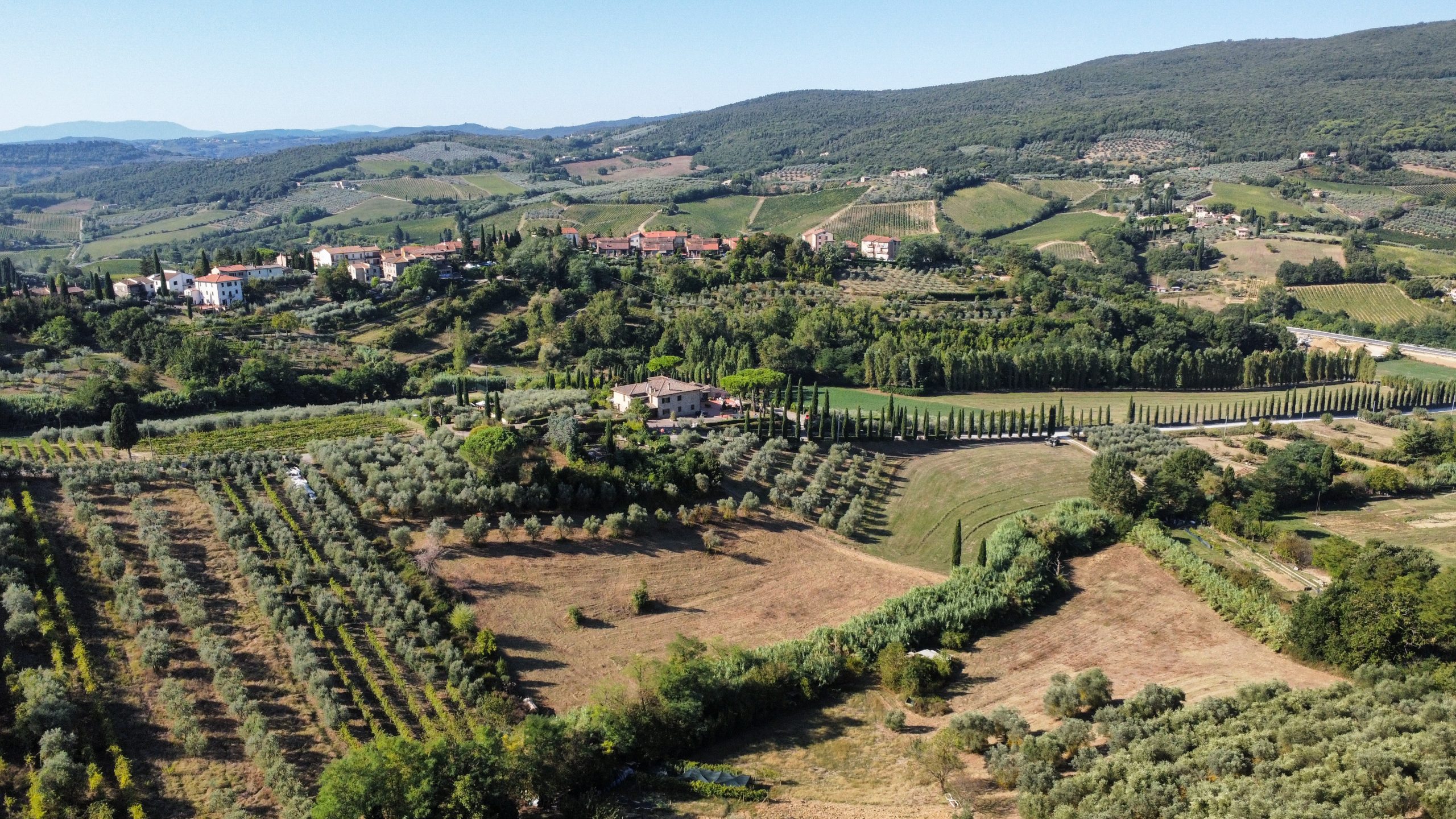
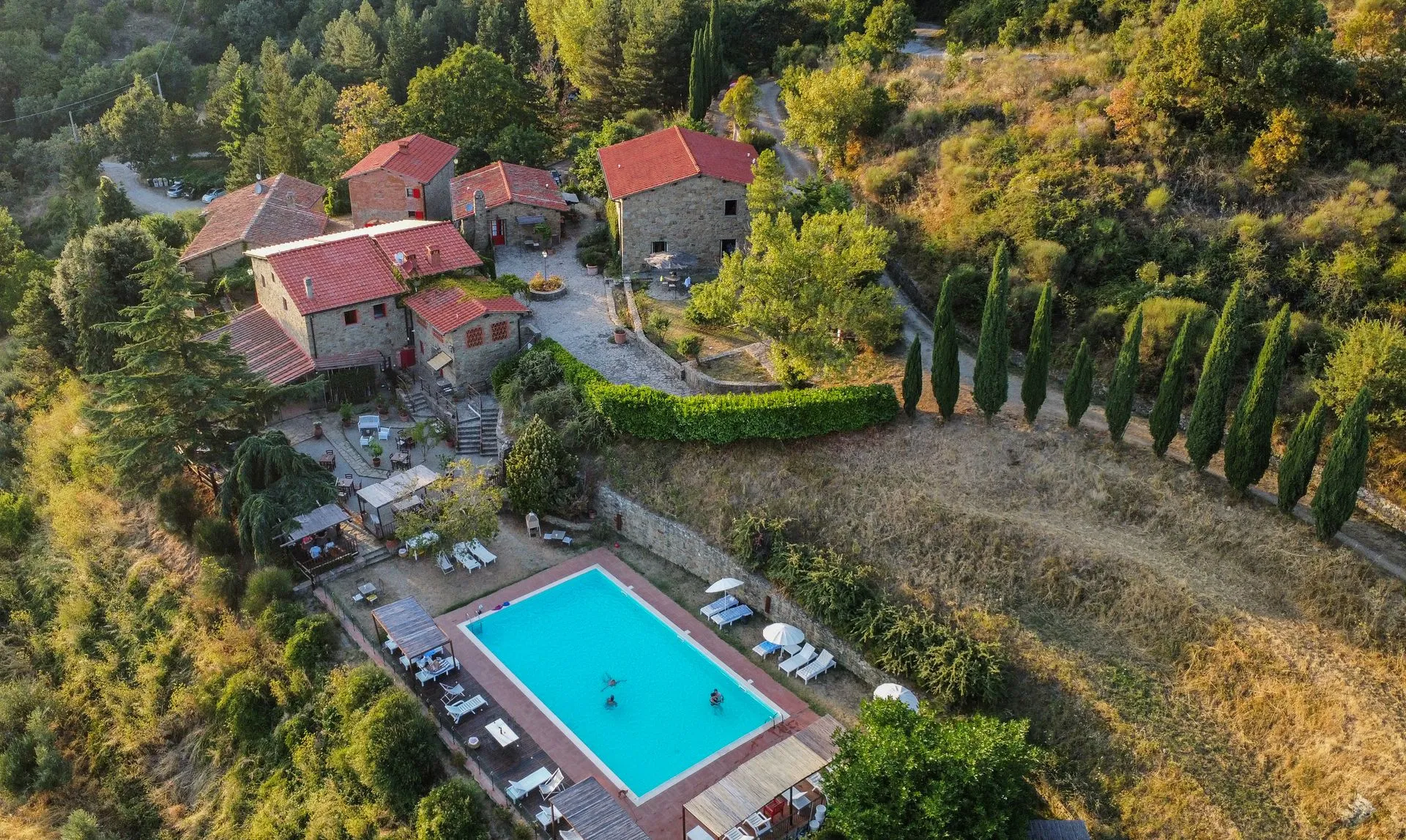
From Florence we continued right into the Tuscan hill country, past vineyards and small villages to peaceful agriturismi to catch our breath.

Gentle hills, vineyards and olive grovesGood base for Florence, Siena and San Gimignano
Anyone staying here should deliberately set aside time to do nothing, with a pool, wine and a view like this, it's hard to leave.
Cascate del Mulino, Saturnia, Italy
Tuscany
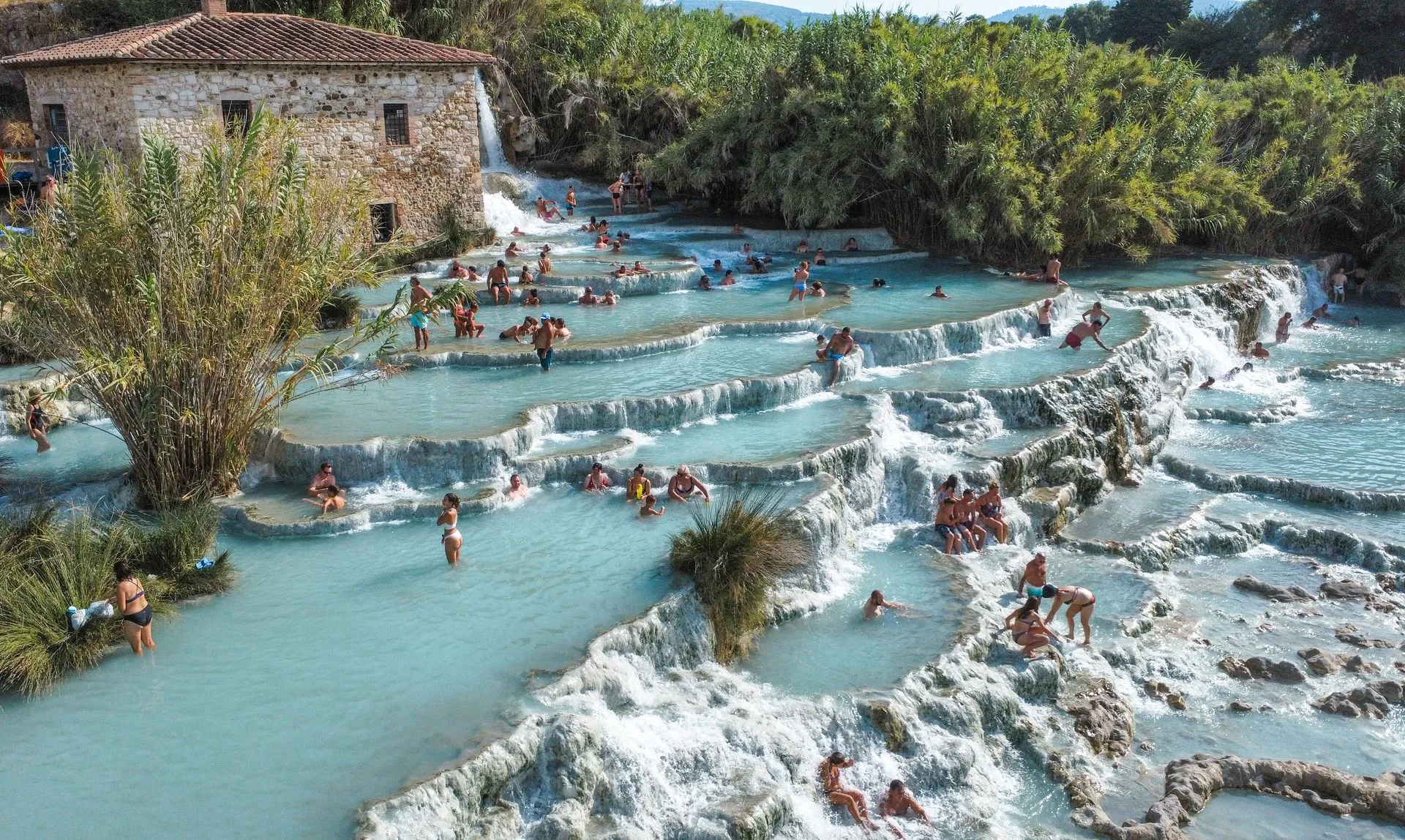
Cascate del Mulino, Saturnia

Natural, warm thermal waterfalls right in the middle of the Tuscan countryside, free to access and a perfect stop to relax on the way to Rome.

Natural thermal cascades at around 37°CFree to access, surrounded by Tuscan countryside
Rome, Italy
Lazio
Rome

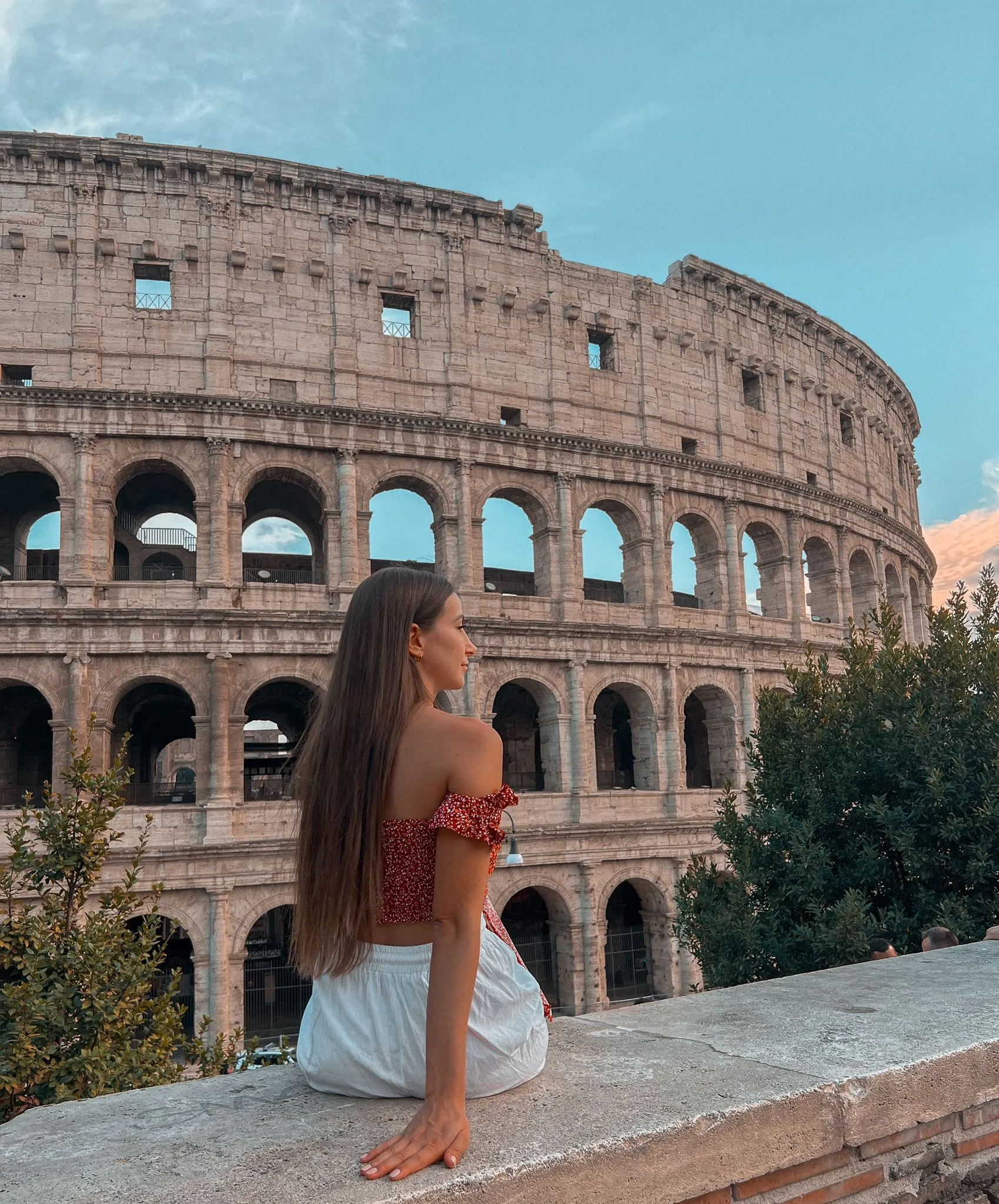
The eternal city packs over two and a half thousand years of history into a tight space, from the Colosseum to the Roman Forum to the Trevi Fountain.

Colosseum and Roman ForumTrevi Fountain, especially beautiful in the eveningGianicolo viewpoint away from the crowds
Alberobello, Italy
Apulia
Alberobello

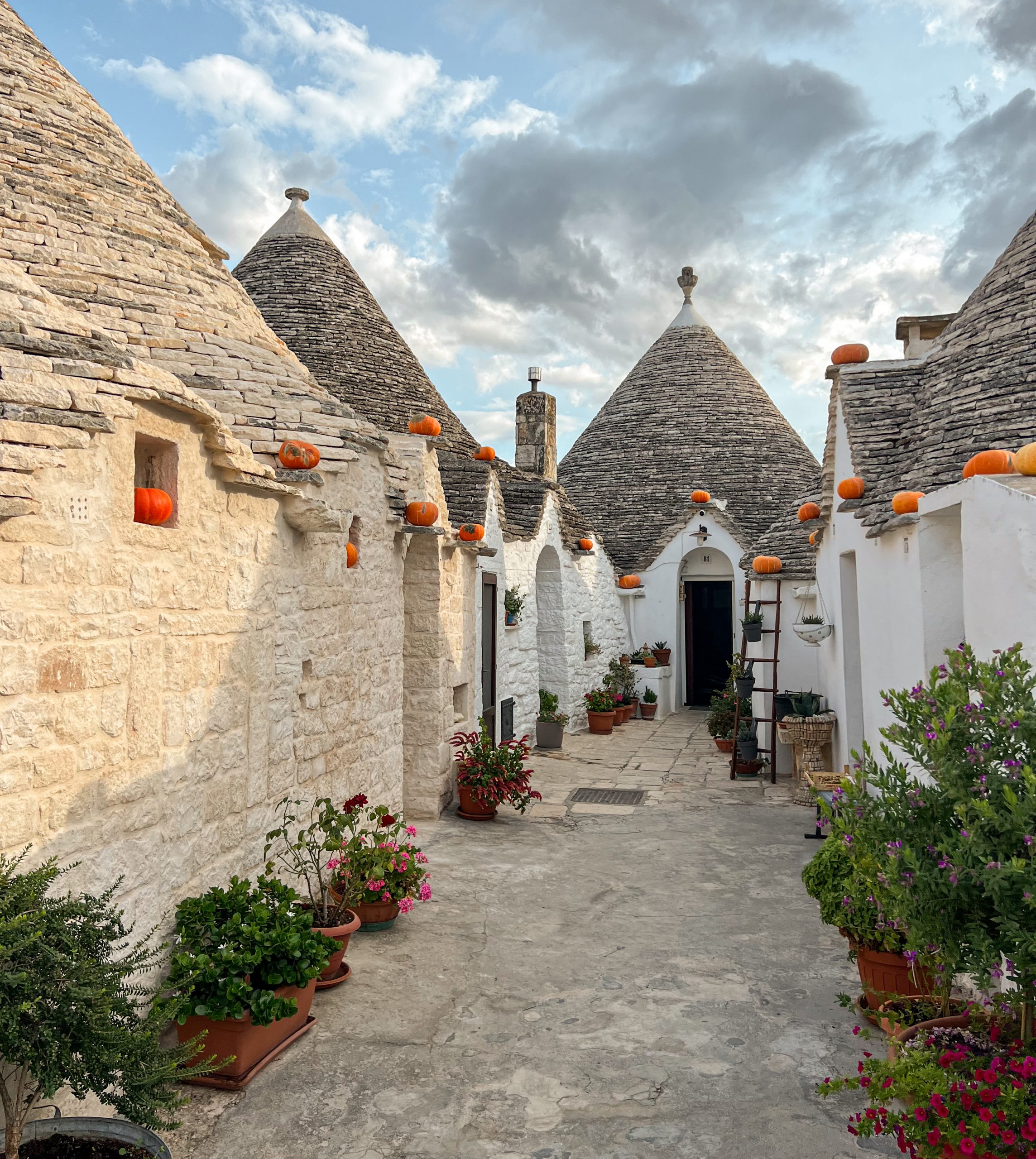
A small town in Apulia, world-famous for its trulli, traditional whitewashed round houses with distinctive conical roofs made of gray stone.

UNESCO World Heritage site: trulli houses with conical roofsPicturesque old-town quarter Rione MontiWine tastings in the nearby Itria Valley
Tropea, Italy
Calabria
Tropea

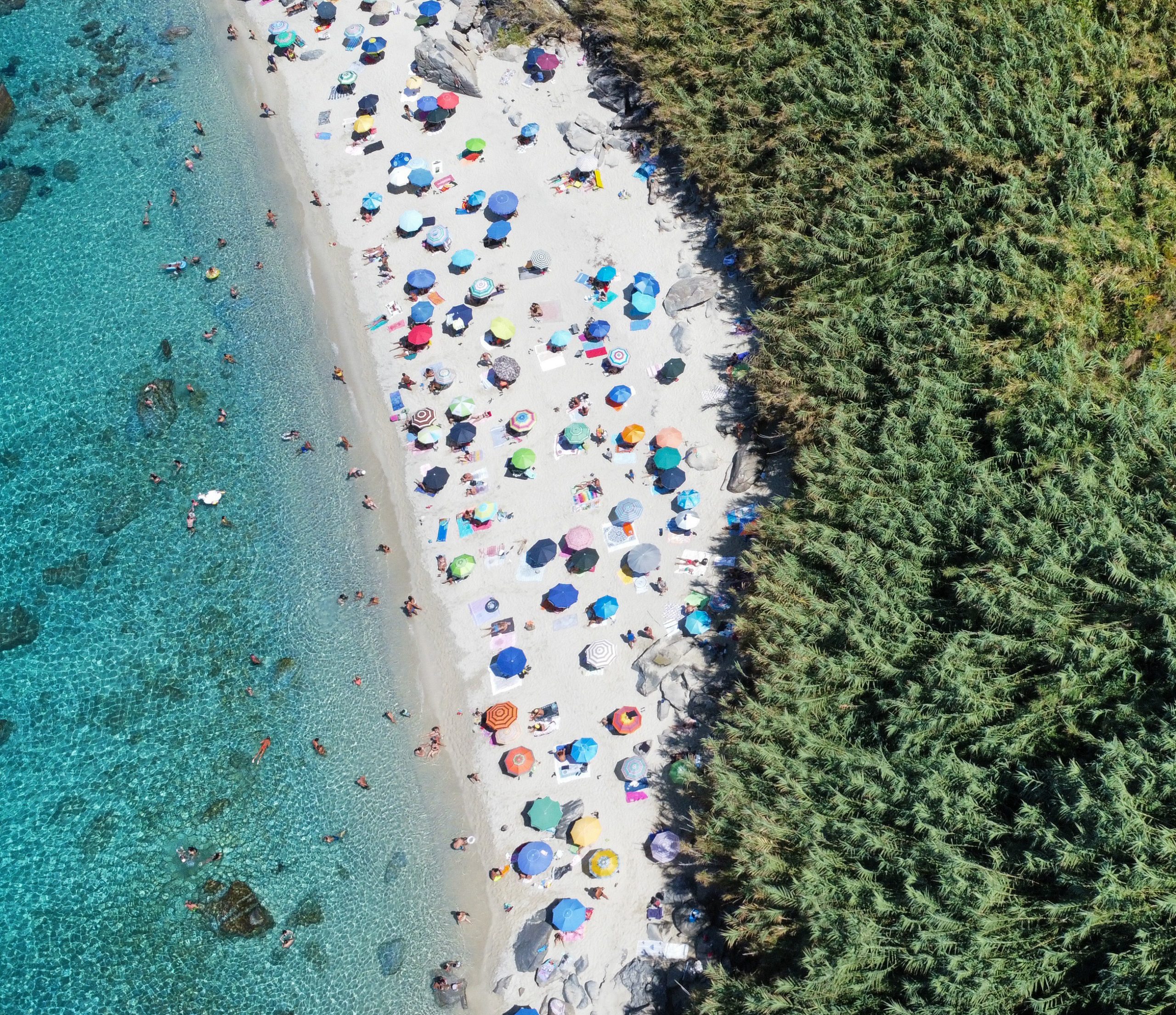
A small town perched on a cliff along Calabria's coast, with one of Italy's most beautiful beaches right below the old town, my longest stop of the entire trip.

Old town high on a cliff above the seaOne of Italy's best-known beachesBoat trip with a snorkeling stop in Grotticelle Bay
Positano on the Amalfi Coast, Italy
Amalfi Coast & Gulf of Naples
Amalfi Coast

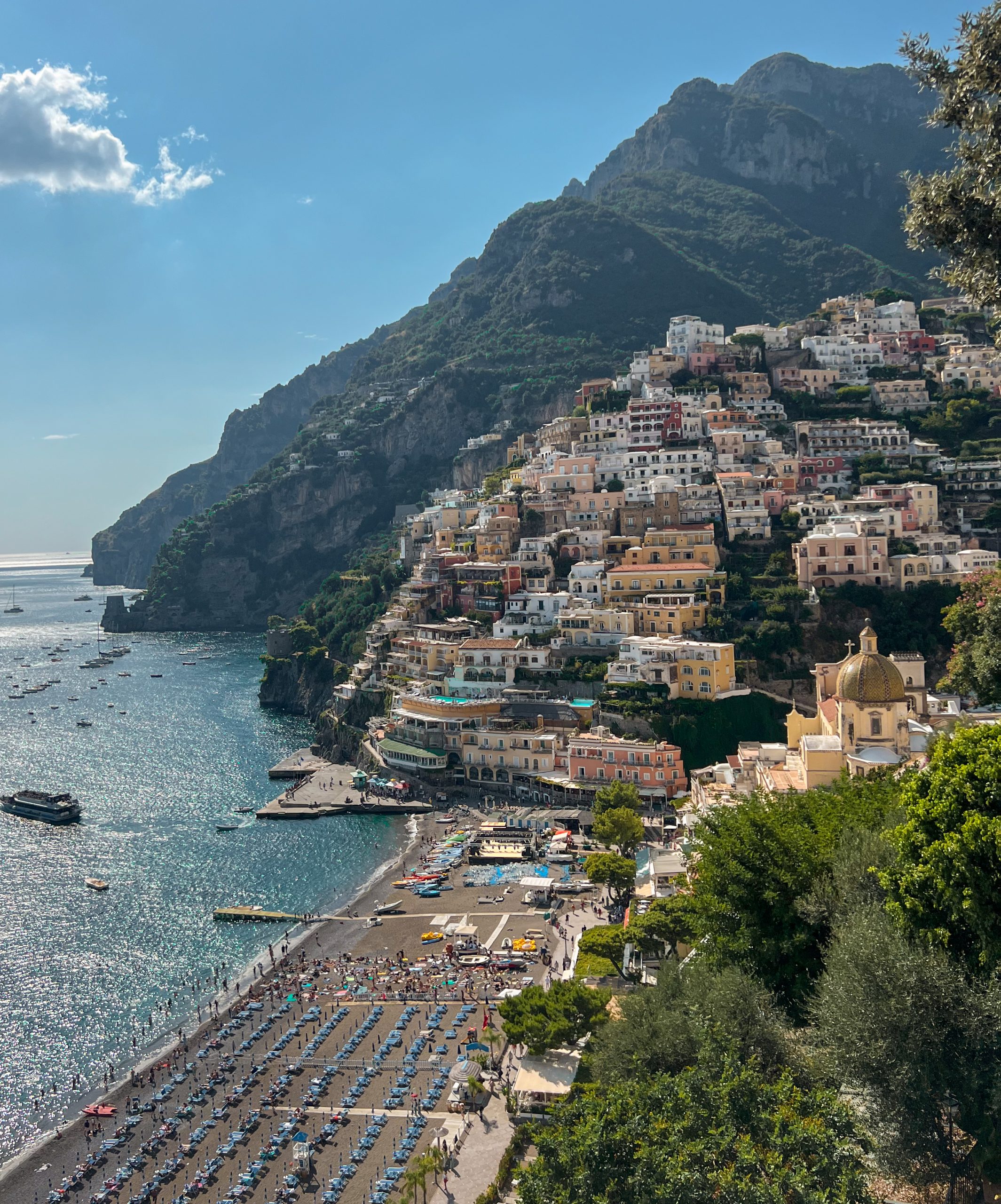
The spectacular coastline between Sorrento, Positano and Amalfi, with colorful houses cascading steeply down to the sea, narrow lanes, small coves and one of Italy's most beautiful coastal roads.

Sorrento as a base for the Amalfi Coast, Capri and PompeiiThe iconic, steeply stacked houses of PositanoAmalfi's historic cathedral, right on the spectacular coastal roadSmall beaches and coves along the entire coast
San Gimignano, Italy
Tuscany
San Gimignano

My final stop of the trip: a medieval town in Tuscany, known for its striking towers, the view over the vineyards and multiple-award-winning gelato.

Striking medieval towers, including the climbable Torre GrossaGelateria Dondoli, world champion gelato from 2006Surrounded by Tuscan vineyards
Parma, Italy
Emilia-Romagna
Parma

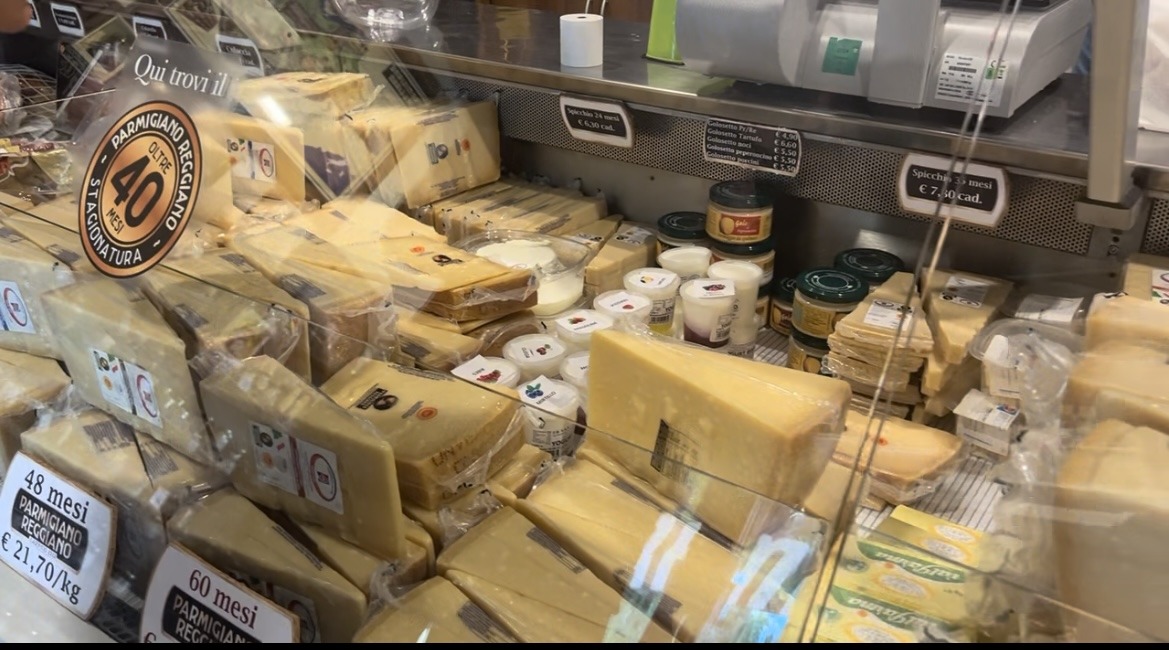
The culinary center of Emilia-Romagna, known for Parma ham and Parmesan, my brief stopover on the way back to Germany.

Home of Parma ham and Parmigiano ReggianoElegant old town with cathedral and baptistery
Sardinia, Italy
Northern Sardinia (Olbia & Alghero)
Sardinia

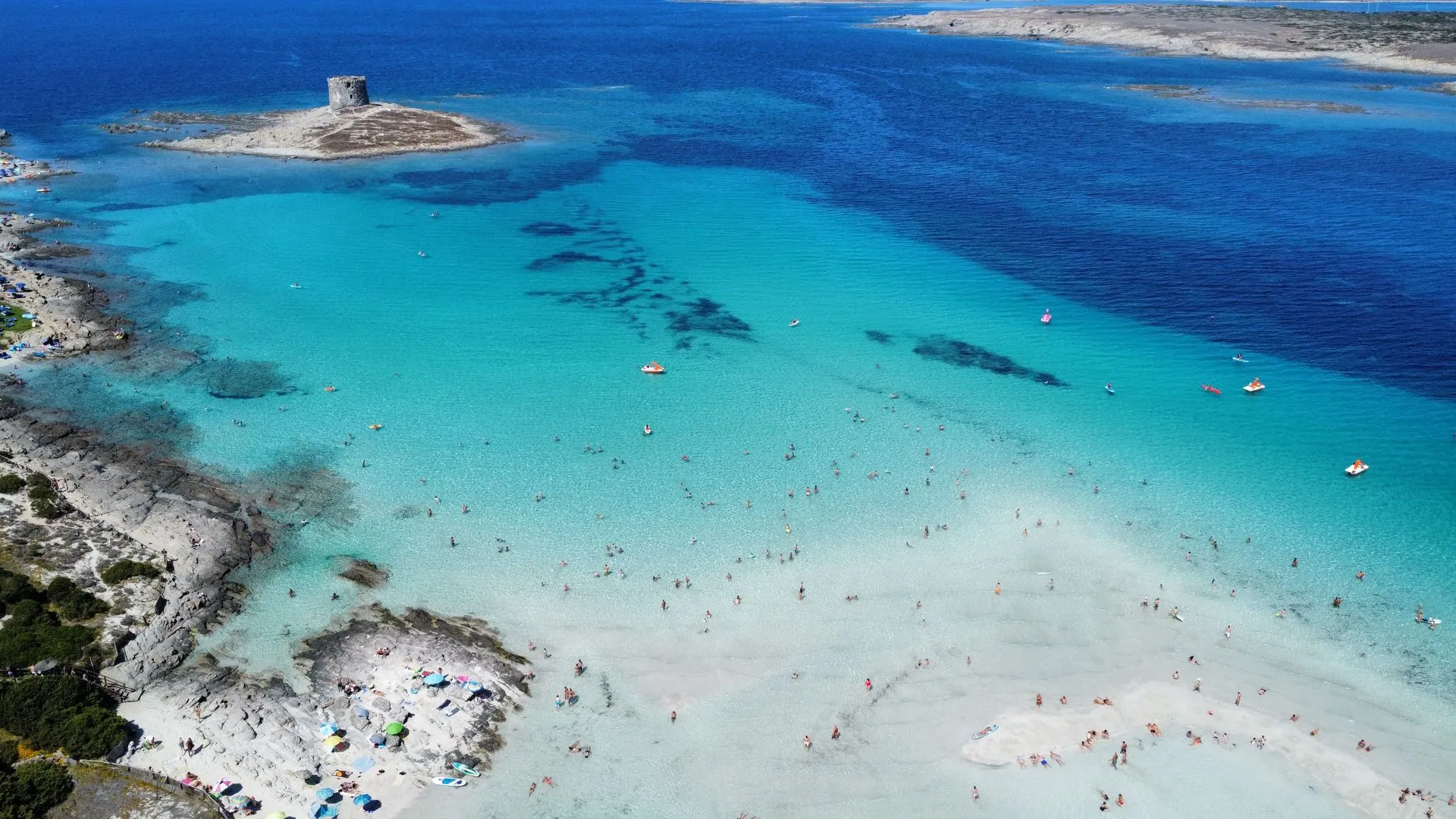
The second-largest island in the Mediterranean with over 1,800 kilometers of coastline, white sand beaches and crystal-clear water, plus rugged mountain regions and charming coastal towns in the north between Olbia and Alghero.

Dream beaches like La Cinta, Lu Impostu and Brandinchi near San TeodoroLa Pelosa near Stintino, one of Italy's best-known beachesDay trip to the island world of La MaddalenaWine tastings at wineries around Alghero
Tickets for the most beautiful beaches like Lu Impostu or La Pelosa are released online 48 hours in advance, best to book right on time since they sell out fast.
Everything You Need to Know

Practical Info

✈️
Getting There & Around

For my own road trip I started by car from Frankfurt, the pure driving time to Tuscany was around 10–12 hours over the Alps. Across the entire two-week tour, fuel and tolls in Austria and Italy added up to roughly €470–570 (roughly: €300–400 fuel, €20 Austrian toll, €150 Italian toll).

Alternatively, there are numerous direct flights from German airports to all the larger cities, flight time usually 1.5–2.5 hrs. Within the country the rail network is well developed, especially between the major cities in the north and center, but in tight coastal towns like along the Amalfi Coast I preferred taking the bus and ferry rather than my own car.

🏨
Accommodation

I booked almost exclusively through Airbnb on my trip, from a simple holiday apartment to an agriturismo with a pool, prices usually ranged between €100 and €160 a night. If you're traveling by car like I was, it's worth specifically looking for accommodation with its own parking, especially along the Amalfi Coast, in Alberobello and in Tropea the streets are narrow and public parking is scarce and expensive.

In tourist hotspots like the Amalfi Coast, booking early pays off, especially in high season. It's also worth checking amenity details like air conditioning, at two of my accommodations, in Rome and at the Cascate del Mulino, the air conditioning was broken or missing entirely, which was quite noticeable on hot August days.

🍝
Food & Drink

A cuisine with strong regional character: pasta and risotto in the north, pizza and seafood in the south, wine and cheese pretty much everywhere. Tap water is usually drinkable, restaurants often charge a small cover fee (coperto).

🎒
Packing List

Comfortable shoes for cobblestones and lots of steps (especially along the Amalfi Coast) are essential. Light clothing for summer, plus a light scarf or long pants for visiting churches, where covered shoulders and knees are expected.

For the coastal towns, swimwear and comfortable sandals for pebble beaches are worthwhile. An adapter isn't necessary for travelers from Germany, since Italy mostly uses the same sockets (Type C/F), though Type L also appears in some older buildings.

🚁
Drone Rules

In Italy a maximum altitude of 120 meters above ground applies, and the drone must stay within visual line of sight (VLOS) at all times. Drones weighing 250 grams or more, or with a camera/microphone, must be registered, which can be done online via d-flight.it and applies EU-wide. The drone must also be visibly marked with its registration number (e-ID).

Liability insurance is mandatory for every drone, whether used privately or commercially, and depending on the weight class you need an EU drone license, which is recognized across all EU countries. The minimum age for drone pilots is 16. In historic city centers like Rome or Florence, near airports, and in nature reserves such as certain beaches or national parks, drone flights are usually prohibited or allowed only with a permit, so it's always worth checking the current rules before takeoff.

💊
Health & Safety

No special vaccinations required, standard immunizations should be up to date. As an EU country, the European Health Insurance Card applies, additional travel health insurance is still recommended. Pickpocketing in tourist centers is the most common type of crime.

🙏
Culture & Etiquette

When entering churches, dress appropriately, shoulders and knees should be covered. Punctuality is viewed more relaxed for private meetups, but expected for business. A friendly 'Buongiorno' when entering shops is good manners.