Search

Where's your next trip?

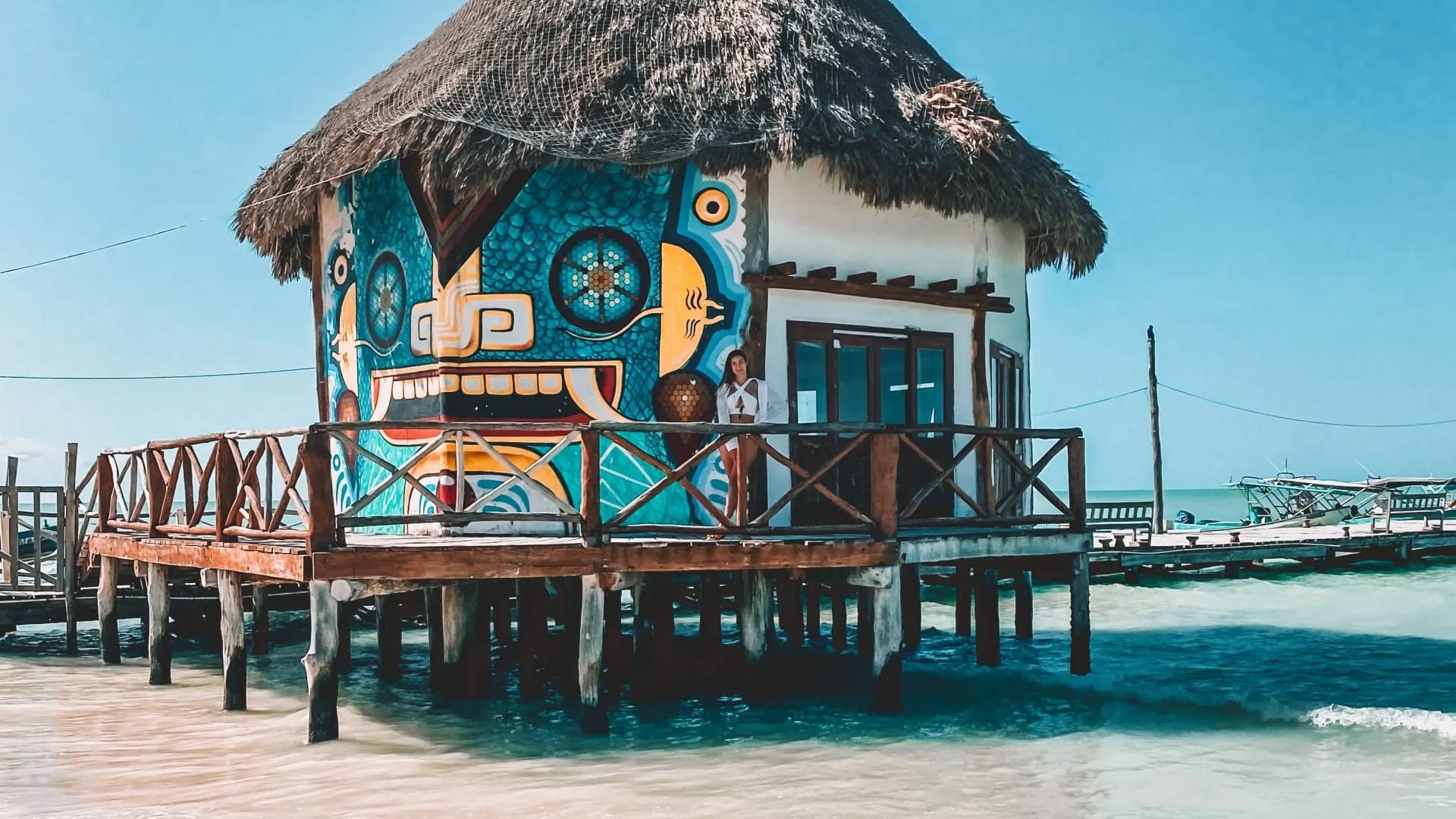
Colorful beach hut on stilts in turquoise water, Mexico
HomeDestinationsNorth AmericaMexico
Destination

Mexico

approx. 11 hrs from Frankfurt
Nov–Apr
Beach · Culture · Adventure
180 days
Visa-free (DE passport)
Nov–Apr
Best time
GMT-5/-8
Time zone
MXN
Currency
Country Guide

Why a trip to Mexico is worth it

Mexico is so much more than a beach holiday: mysterious cenotes, impressive Maya ruins and one of the most varied cuisines in the world are waiting to be discovered. The Riviera Maya on the Caribbean coast pairs turquoise water with thousands of years of history right next door.

From the beaches of Tulum, to the underwater world of the cenotes, to the pulsing streets of Mexico City, the country offers a huge range of travel styles, whether you're after a beach holiday, a culture trip or an adventure.

What makes Mexico special
Crystal-clear cenotes for snorkeling and diving, unique to the Yucatán Peninsula
Impressive Maya sites like Chichén Itzá, Tulum and Cobá
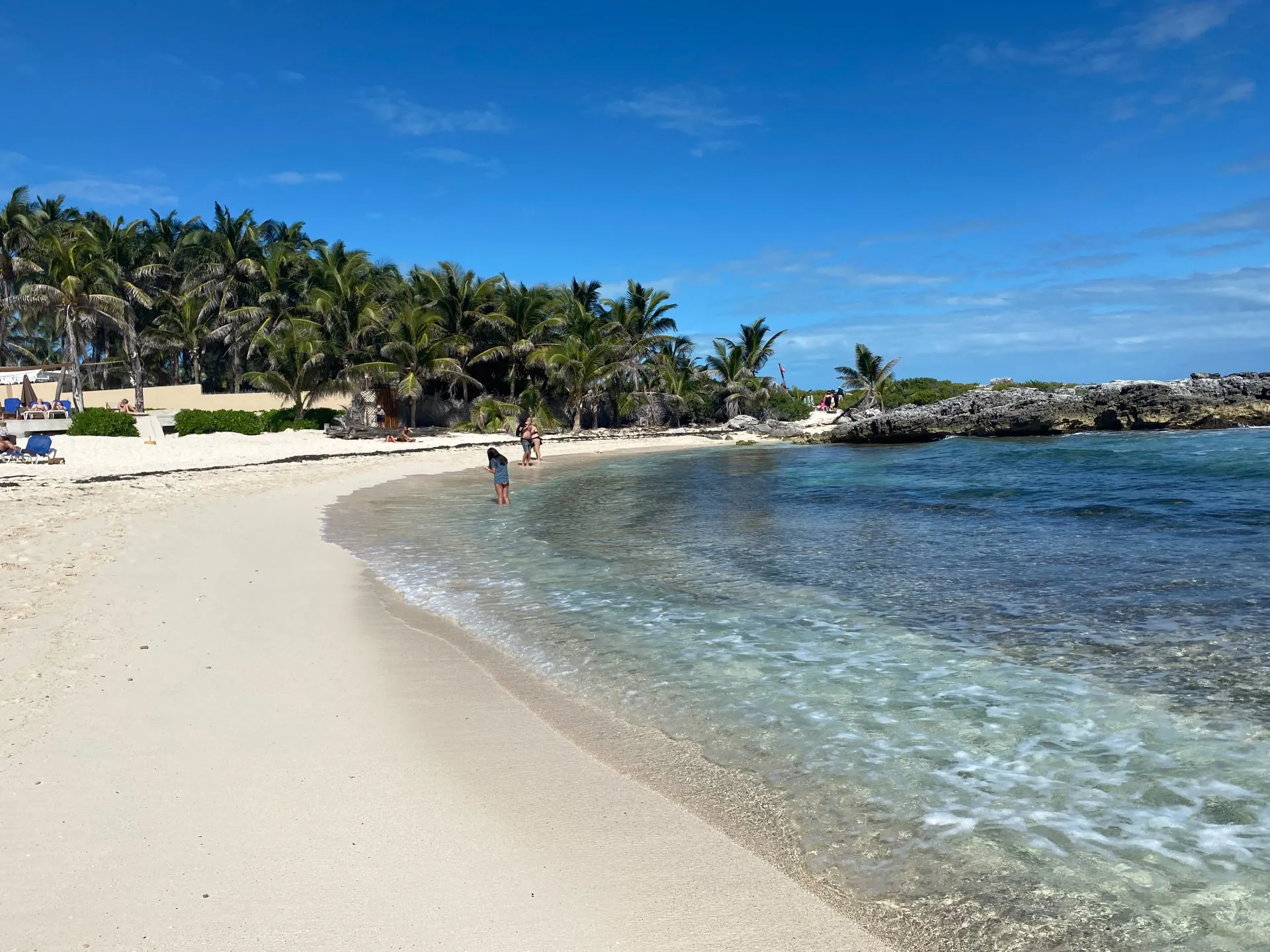
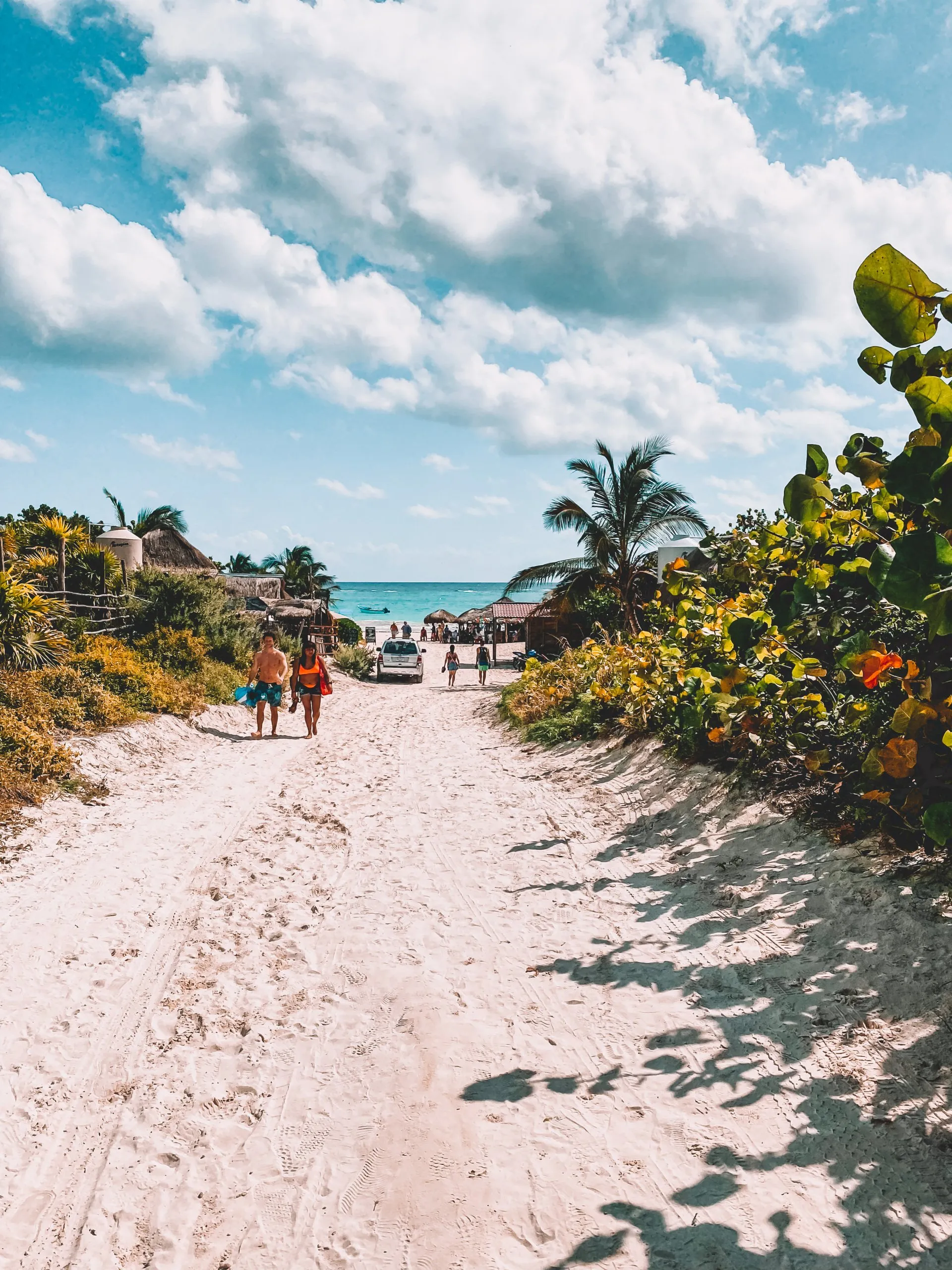
Caribbean beaches on the Riviera Maya with turquoise water
One of the most varied cuisines in the world, from street food to fine dining
Vibrant culture full of color, music and celebrations like Día de los Muertos
Interactive Map
Our Stops on the Map

Highlights

My stops in Mexico

You'll find accommodations, beaches, food and activities directly on each place's detail page.

Isla Mujeres, Mexico
Offshore island near Cancún
Isla Mujeres

My first stop in Mexico: a small, laid-back island off Cancún, with the turquoise Playa Norte, quieter beaches and a colorful old town, reachable by ferry from Puerto Juárez in just 30 minutes.

Playa Norte – one of Mexico's most beautiful beachesPunta Sur with a small Maya temple and rugged cliffsGolf cart tours around the island
Tulum, Mexico
Riviera Maya
Tulum

Known for the Maya ruins perched right above a cliff by the sea, plus countless cenotes in the surrounding area, good bike paths and an alternative, boho-inspired beach scene.

Maya ruins right by the seaCountless cenotes in the surrounding areaBoho-alternative beach scene and beach clubs
Holbox, Mexico
Car-free island in northern Yucatán
Holbox

A car-free island in northern Yucatán, with powdery white sand, a peaceful atmosphere, nighttime bioluminescence and the chance to snorkel with whale sharks in season.

Car-free island with a relaxed atmosphereNighttime bioluminescence toursSeasonal whale shark tours possible
Cancún, Mexico
Riviera Maya
Cancún

The best-known resort town on the Riviera Maya, with a long hotel-zone beach on the Caribbean Sea and an international airport serving as the gateway to the region – my last stop before heading back to Germany.

Long beach along the hotel zoneUnderwater museum MUSA while snorkelingGreat base for cenotes, Maya ruins and Isla Contoy
Everything You Need to Know

Practical Info

✈️
Getting there & transport

I flew a direct flight from Frankfurt to Cancún (approx. 11 hrs, with Condor back then around €625 per person including luggage). To Mexico City there's usually a layover involved. Between towns I used local colectivo minibuses and the more comfortable ADO long-distance buses, both affordable and reliable, and for longer distances budget domestic flights (e.g. Volaris, Viva Aerobus) are worth it too.

For a rental car, an international driving permit is recommended in addition to your German license, the German license alone isn't enough.

🏨
Accommodation

During my trip I stayed everywhere from small boutique hotels starting at €70–90 to a 4-star resort with a private beach, overall the range in Mexico runs from simple hostels from €10–20 to all-inclusive resorts on the Riviera Maya. Book early during high season (Dec–Apr), especially on small islands like Holbox or Isla Mujeres.

🌮
Food & drink

Street food like tacos, elotes and tamales are among the culinary highlights, usually €1–3 per portion. Don't drink the tap water, always use bottled water, even for brushing your teeth.

📱
SIM & internet

I bought a SIM card right at the airport in Cancún, the stalls in the arrivals area are easy to find and I was online right away. I went with Telcel, the biggest provider with the best coverage across the whole country, a package with 3 GB of data and national calling costs about 200–250 MXN (€10–12).

Alternatives are AT&T México and Movistar, usually a bit cheaper but with weaker coverage outside the cities. SIM cards are also available in shopping malls, supermarkets (e.g. OXXO) or official shops.

🎒
Packing list

Light, breathable clothing, swimwear and a sun hat belong in your bag for the Riviera Maya. Water shoes are handy for cenote tours, since the ground is often rocky.

Mineral sunscreen (chemical sunscreens are banned in many cenotes and nature reserves because they pollute the water) and a high-DEET insect repellent are important. An adapter (Type A/B, 127V) and a power bank are handy for longer excursions.

🚁
Drone rules

Flying drones over archaeological sites like Chichén Itzá or Tulum is generally prohibited, since these sites are protected by the Mexican heritage authority INAH. A maximum altitude of 122 meters is allowed in uncontrolled airspace, always within visual line of sight (VLOS), night flights aren't permitted.

Official registration of drones over 250 grams is practically only possible for Mexican citizens, foreign tourists may only use their drone privately. A minimum distance of 9.2 km from airports and 900 m from heliports must be kept, and flying over gatherings of 12 or more people is also prohibited. Without proof of purchase, problems can arise at entry, sometimes up to 16% tax on the replacement value has been demanded, and in some cases drones have even been confiscated. I'd carefully check the current rules beforehand.

Full drone guide for Mexico →
💊
Health & safety

Vaccinations recommended by the German RKI: hepatitis A for all travelers, hepatitis B for longer stays, typhoid for basic hygiene conditions or travel to rural areas. In some southern regions (including Chiapas, Campeche, Quintana Roo, Tabasco, Oaxaca) there's a low malaria risk, and there's no vaccine against it, so consistent mosquito protection is the best defense here.

Travel insurance including repatriation is essential. Diarrheal illness is the most common travel problem, so pay close attention to drinking water and food hygiene. Tourist areas on the Riviera Maya and in Yucatán are considered comparatively safe, while increased caution applies in some other regions, check the current travel advisories from the Federal Foreign Office beforehand.

🙏
Culture & etiquette

Mexicans are warm and sociable, a friendly greeting is appreciated. A tip (10–15%) is customary at smaller restaurants and with tour guides, though some bars add it automatically to the bill without offering change, so it's worth checking the receipt. For trips to Maya sites, start early to avoid the heat and the crowds.