Search

Where's your next trip?

Philippines, turquoise bay with limestone islands
HomeDestinationsAsiaPhilippines
Destination

Philippines

approx. 16–18 hrs (with a stopover)
Dec–May
Beach · Islands · Diving
30 days
Visa-free (DE passport)
Dec–May
Best time
GMT+8
Time zone
PHP
Currency
Country Guide

Why a trip to the Philippines is worth it

With over 7,000 islands, the Philippines is one of the most diverse island nations in Asia. From powder-white beaches to world-class dive spots to lush green rice terraces, the range of landscapes is enormous.

Since English is an official language alongside Filipino, the country is considered especially traveler-friendly — combined with the famous hospitality of the Filipino people, it's a great entry point for anyone heading to Southeast Asia for the first time.

Good to know
Over 7,000 islands – from lively destinations like Boracay to barely developed corners of Palawan
One of the best diving and snorkeling regions in Asia, including around Palawan, Cebu and Bohol
English is an official language, so getting around and communicating is refreshingly easy
The rice terraces of Banaue and the Chocolate Hills on Bohol showcase the country's green side
Typhoon season (Jun–Nov) should be factored into trip planning
Interactive Map
Our Stops on the Map

Highlights

My stops in the Philippines

You'll find accommodations, beaches, food and activities directly on each place's detail page.

Cebu, Philippines
Central Visayas
Cebu

Cebu, known as one of the most historic islands in the Philippines, was where the Spanish under Ferdinand Magellan first arrived in 1521. To this day, historic sites like the famous Magellan's Cross bear witness to this significant past. For us, Cebu served mainly as the perfect launchpad for discovering the beauty of the Philippines. Its central location and good connections to other islands like Boracay and Siargao made it the ideal starting point for our adventure. Even though we spent little time there ourselves, the blend of modern infrastructure and historic heritage left a real impression on us.

Historic center with Magellan's Cross and Fort San PedroKawasan Falls canyoning in BadianDay trip to the Chocolate Hills on BoholIsland hopping and snorkeling in MoalboalSwimming with whale sharks in Oslob
Boracay, Philippines
Western Visayas
Boracay

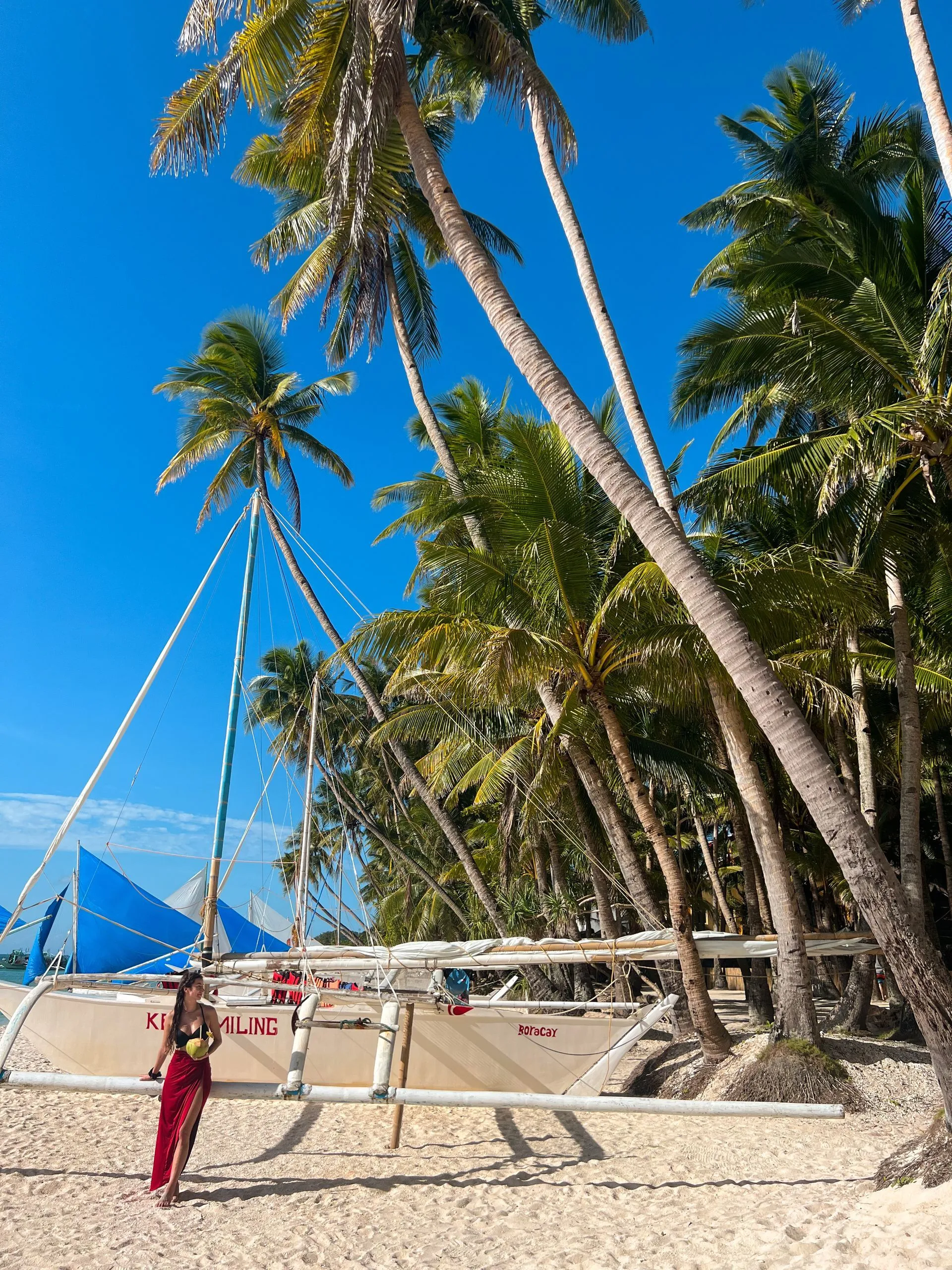
Boracay, a small island in the western Visayas, lies about 315 kilometers south of Manila and covers just 10.32 square kilometers. Despite its modest size, Boracay is world-famous, above all for its brilliant white sand beaches and the crystal-clear water of the Pacific, which looks almost too good to be real. The island is divided into three main areas, the Stations: Station 1 is luxurious, quiet and exclusive, with upscale resorts and fine restaurants. Station 2 is the buzzing heart of Boracay, with lively nightlife, plenty of restaurants and shopping. Station 3 is a bit calmer and more relaxed, ideal for anyone who prefers a more peaceful setting without being far from the action.

World-famous White Beach with powder-fine sandThree Stations, each with a distinct characterQuieter alternatives like Diniwid and Puka Shell BeachLively nightlife and a diverse restaurant scene
Siargao, Philippines
Mindanao
Siargao

Siargao, a dreamy island in the province of Surigao del Norte, is the heart of Philippine surf culture. Located east of Mindanao, the island charms with breathtaking nature, a relaxed atmosphere and the world-famous "Cloud 9" wave, which draws surfers from all over the world. Surrounded by coral reefs and dense mangrove forests, Siargao offers not only perfect conditions for surfers but also a fascinating variety of marine life. Away from the waves, the island invites you to explore and unwind amid untouched nature and the warm hospitality of the locals.

World-famous surf break Cloud 9Island hopping to Naked, Daku and Guyam IslandMagpopongko Rock Pools at low tideRelaxed tuk-tuk tours around the island
Everything You Need to Know

Practical Info

✈️
Getting there & transport

No direct flights from Germany, usually with a stopover (e.g. Doha, Dubai, Singapore or Hong Kong) to Manila or Cebu. Between islands, cheap domestic flights (Cebu Pacific, Philippine Airlines) are usually more practical than ferries.

🏨
Accommodation

A wide range from simple hostels starting at €10–15 to beach resorts from €50–100. On more remote islands, options are limited and should be booked early.

🍜
Food & drink

Philippine cuisine blends Spanish, Chinese and Southeast Asian influences, including adobo, sinigang and fresh fish. Don't drink tap water; bottled water is available everywhere.

🎒
Packing list

Light, breathable clothing, swimwear and sun protection are essential year-round, and a waterproof bag is worth packing for boat tours and island hopping.

A rain cover or light rain jacket is useful even outside the official rainy season, since showers can pop up on short notice. On more remote islands, cash in small bills comes in handy, as ATMs aren't available everywhere. An adapter for Type A/B/C outlets is needed for devices from Germany.

🚁
Drone rules

Drone flights are subject to CAAP (Civil Aviation Authority of the Philippines) regulations, and registration is required for most drones. Additional restrictions apply near airports and in certain areas.

On popular islands like Boracay and at some resorts, there are additional local rules or flight bans, so it's worth asking your accommodation. Since regulations can change, it's a good idea to check the current CAAP rules before your trip.

Full drone guide for the Philippines →
💊
Health & safety

Recommended vaccinations: hepatitis A+B, typhoid, tetanus — at least 6 weeks before departure. Watch for typhoon warnings during rainy season and get travel insurance that covers medical evacuation.

In some rural areas, including parts of Palawan, there's a low malaria risk, though generally not in the touristy coastal regions and larger cities — when in doubt, get individual medical advice. A Japanese encephalitis vaccination may be worth considering depending on your route and length of stay. Mosquito repellent also helps protect against dengue fever. During typhoon season (June–November), ferries and domestic flights can be canceled on short notice, so plan buffer time accordingly.

🙏
Culture & etiquette

The Philippines is predominantly Catholic, which shows in everyday life and celebrations. A friendly, respectful demeanor is highly valued, while loud or aggressive behavior is looked down on.

When entering churches and religious sites, modest dress is expected, even outside touristy areas. Family plays a central role in social life, and asking about family is a common, polite way to start a conversation. Tipping is customary in restaurants and on tours, even if it's not always expected. A smile and patience go a long way in almost any everyday situation.