Search

Where's your next trip?

New Zealand, fjord landscape with mountains and lake
HomeRoutesNew ZealandThe New Zealand Route
Reiseroute

The New Zealand Route

14 Stops
Nov–Mar
Nature · Adventure · Road Trip
NZeTA required
Entry (DE passport)
Nov–Mar
Best time
GMT+12/+13
Time zone
NZD
Currency
Die Route

New Zealand packs an extraordinary range of landscapes onto two main islands: snow-capped alps and active volcanoes, dense rainforests, dramatic fjords and endless coastlines. Hardly any other country offers such a huge variety of natural scenery in such a small space.

Māori culture still visibly shapes the country today, from the language to art to traditions like the haka. Combined with the low population density and well-developed tourist infrastructure, New Zealand is one of the most popular long-haul destinations for nature lovers and active travelers.
Good to know
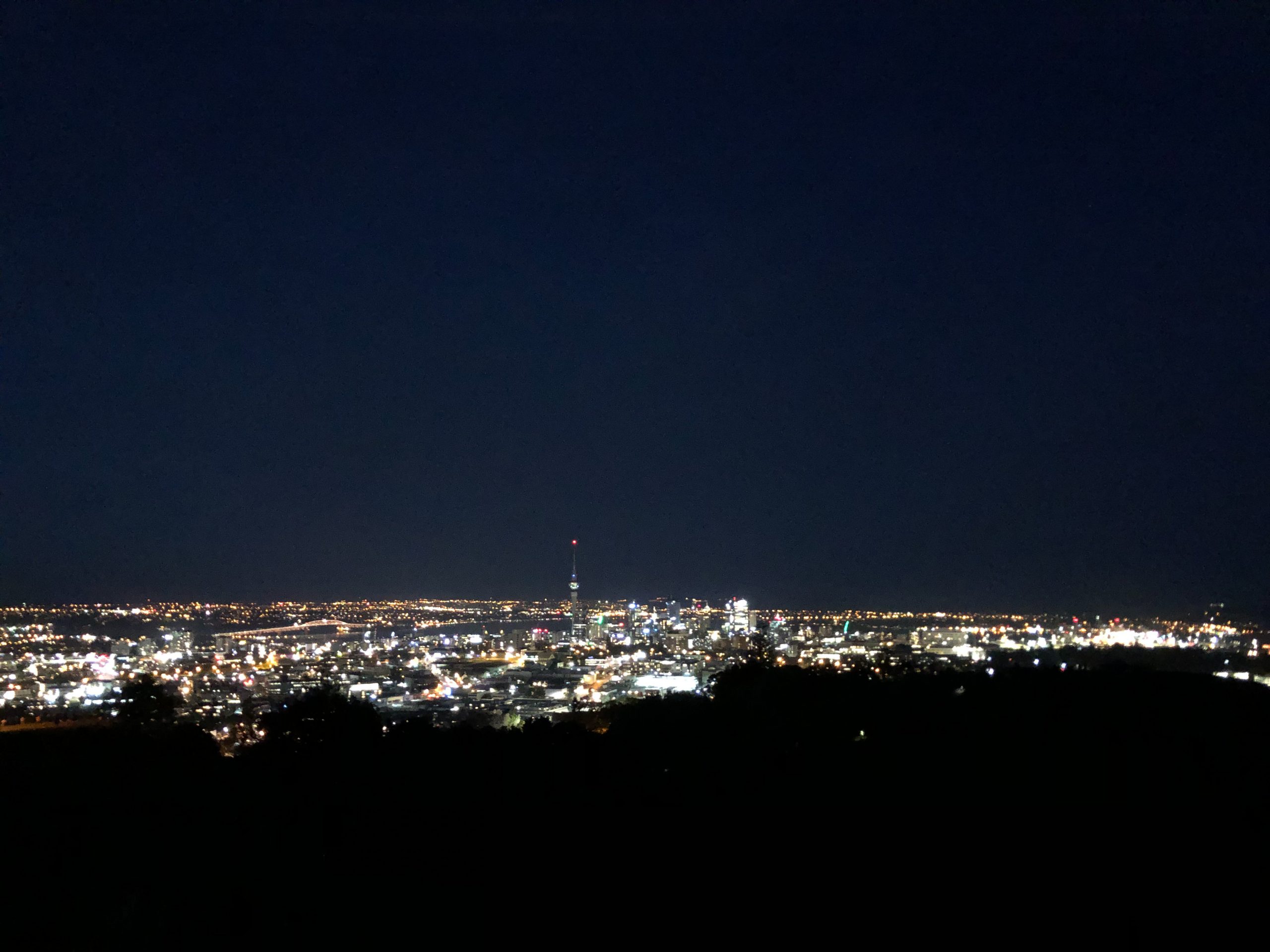
Two very different main islands – subtropical north, alpine south
World-famous fjord landscapes like Milford Sound
Volcanic highlands around Rotorua and Taupo
Excellent infrastructure for hiking and road trips
Vibrant Māori culture and history
Interactive Map

The Route on the Map

Stops

The Route in Detail

1
Auckland, New Zealand
North Island
Auckland

New Zealand's largest city, sitting between two harbors, with a skyline, plenty of extinct volcanic cones and good connections to the surrounding islands. This is where our four-week road trip around the North Island began in November 2023.
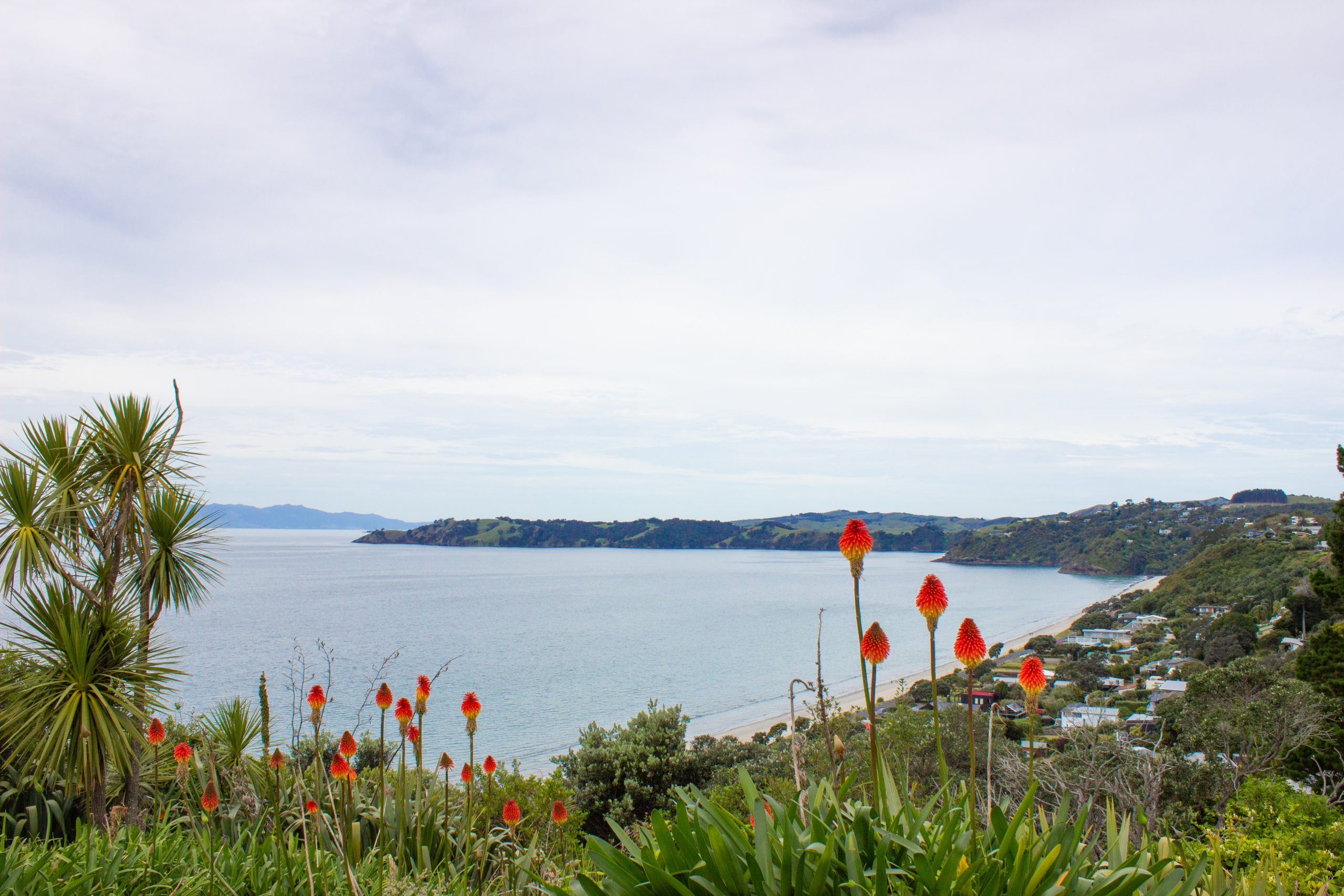
Mount Eden – the city's highest volcanic crater with a 360-degree viewStarting point for Waiheke Island and the van road trip around the North IslandNight markets at several locations, including Silo Park
More aboutAuckland →
2
Waiheke Island, New Zealand
Off Auckland
Waiheke Island

Just around 40 minutes by ferry from central Auckland, the island wins you over with picturesque bays, green rolling hills, wineries and a wonderfully calm island atmosphere.
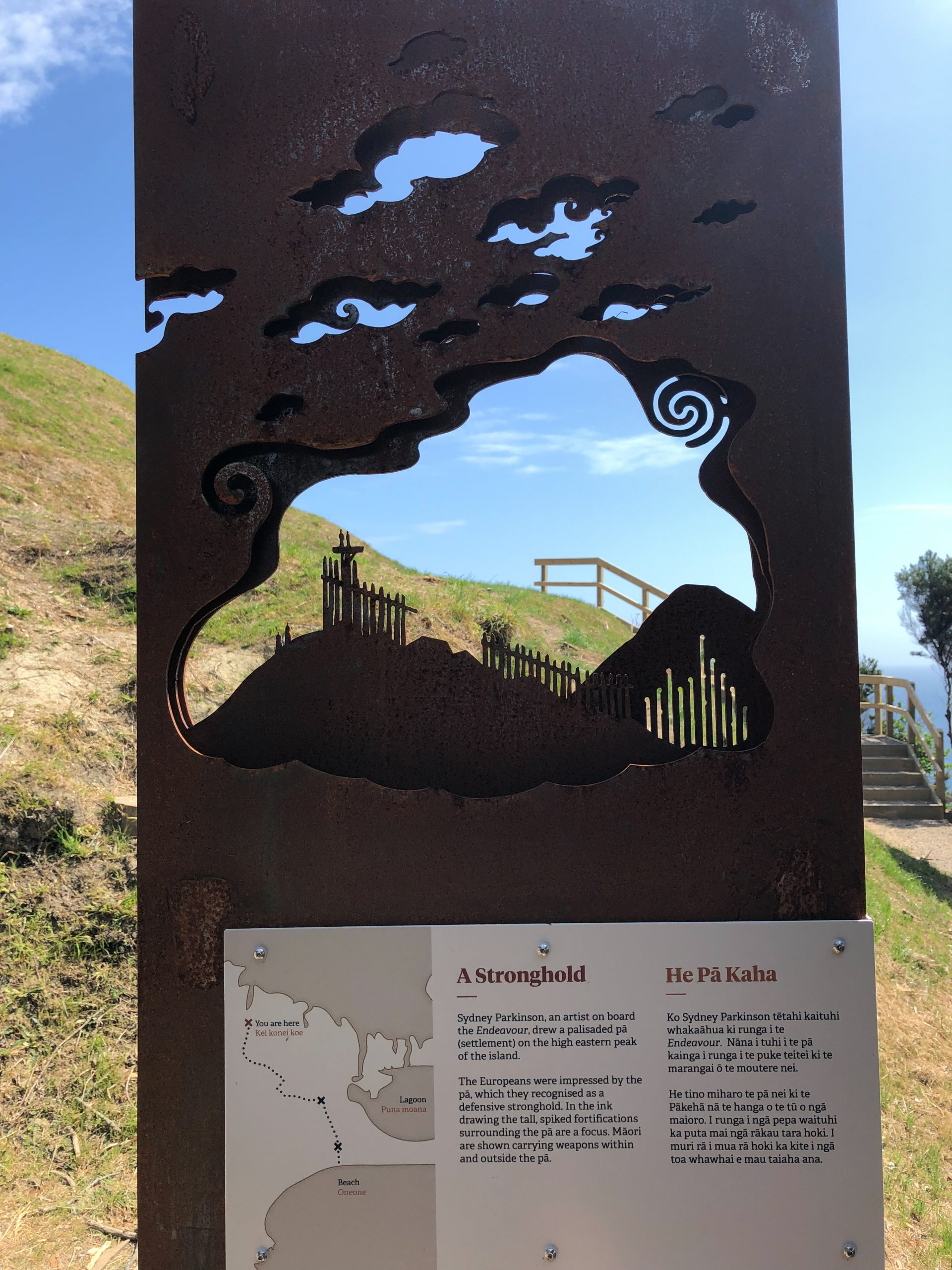
Wine walk through the vineyards with tastingsPinnacle Hill – 360-degree view over the island and seaEco Zip Adventures – zipline over the island's hills
More aboutWaiheke Island →
3
Paihia, New Zealand
North Island, Bay of Islands
Paihia

A manageable little town in the north and the ideal starting point for trips into the island world of the Bay of Islands, with a beach, promenade and cafés for a relaxed stopover.
Boat tour through the Bay of Islands with over 140 islandsStarting point for the famous "Hole in the Rock"Rainbow Falls (Waianiwaniwa) as a short excursion
More aboutPaihia →
4
Cape Reinga, New Zealand
North Island, northernmost point
Cape Reinga

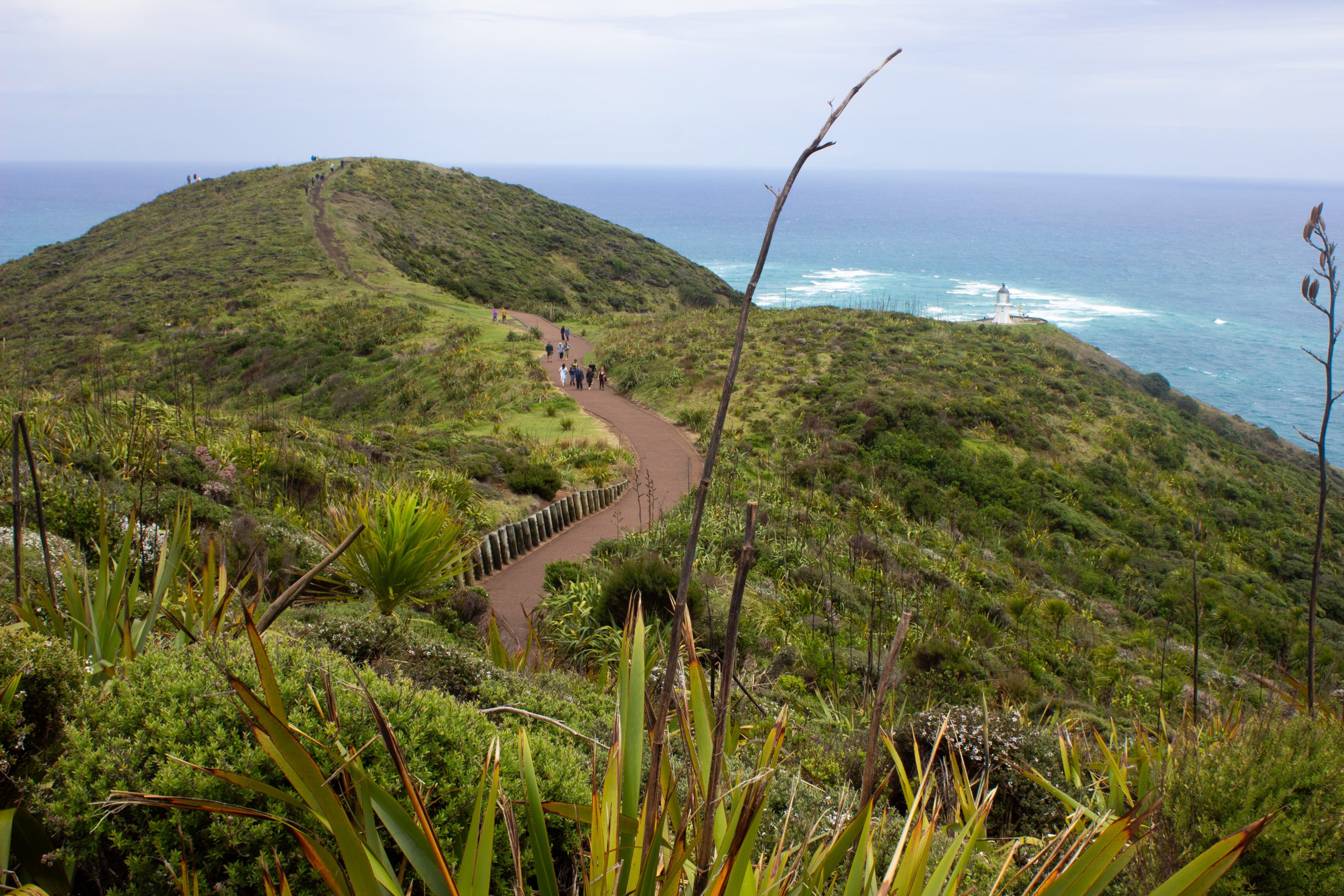
The northernmost accessible point of the North Island and one of New Zealand's most symbolic places: here the Tasman Sea and the Pacific Ocean collide, and for Māori, Cape Reinga (Te Rerenga Wairua) is the place where the spirits of the dead begin their final journey.
Cape Reinga Lighthouse – where two oceans meetGiant Sand Dunes with sandboarding, up to 150 meters highA culturally significant place for Māori
More aboutCape Reinga →
5
Waipoua Forest, New Zealand
North Island, west coast
Waipoua Forest

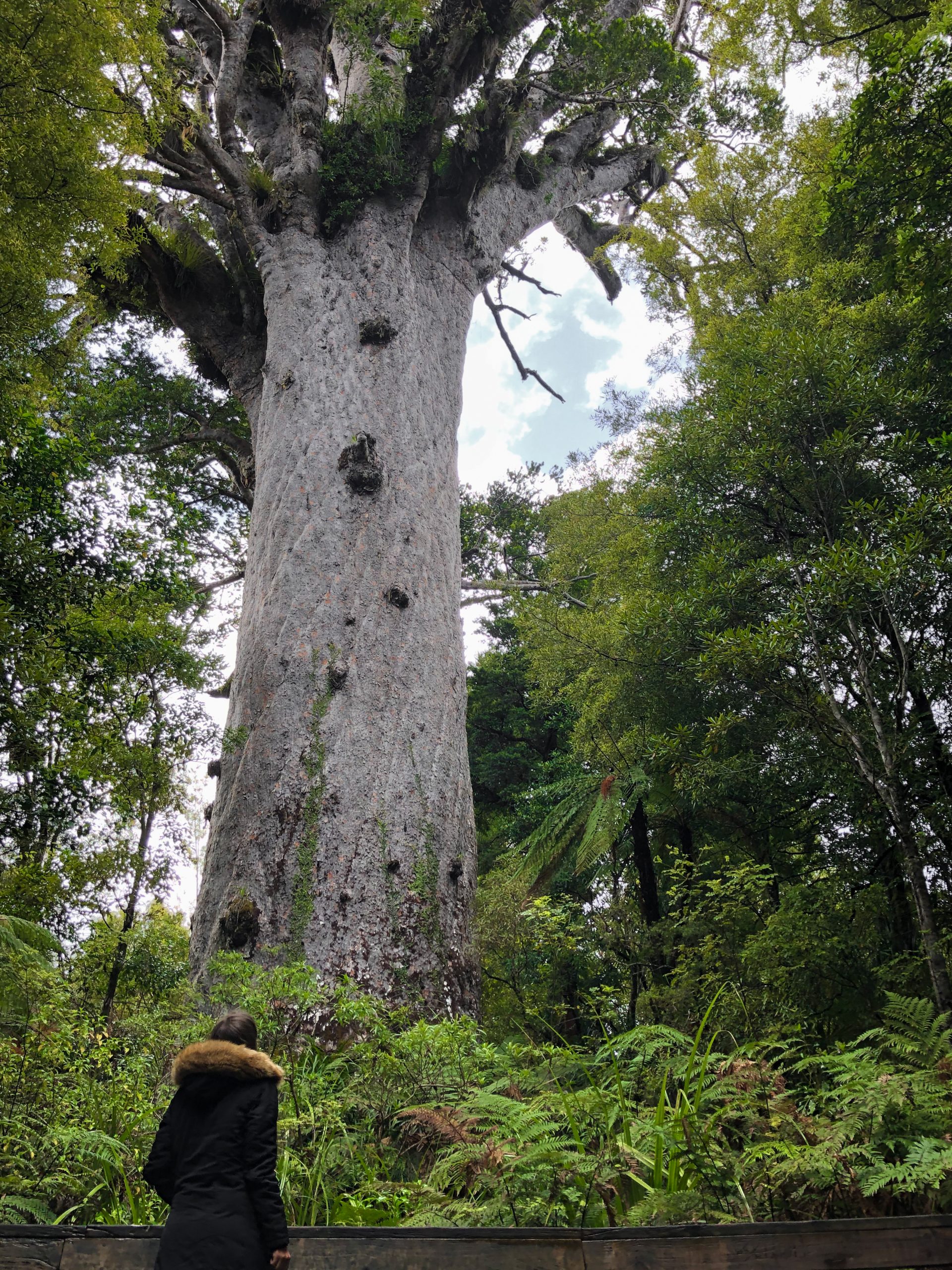
One of the last great kauri forests of New Zealand, home to Tāne Mahuta, the country's largest living kauri tree and a sacred symbol for Māori.
Tāne Mahuta – New Zealand's ancient, largest kauri treeGuided night walk with a chance of spotting wild kiwisTe Matua Ngahere, one of the thickest trees in the world
More aboutWaipoua Forest →
6
Muriwai Beach, New Zealand
North Island, west coast
Muriwai Beach

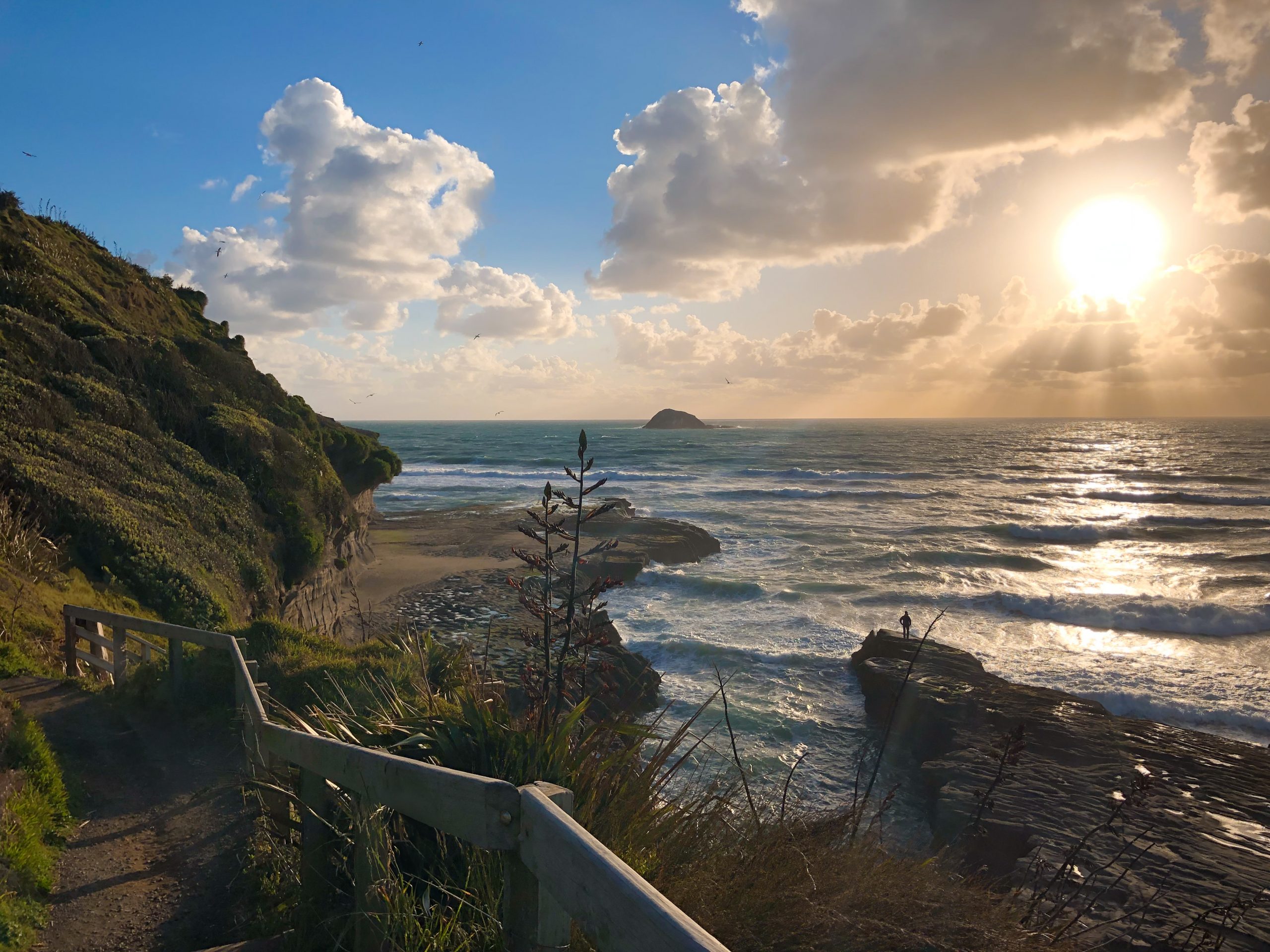
An impressive black-sand beach on the west coast, around 60 kilometers long, famous for its gannet colony at Ōtakamiro Point, which draws thousands of birds every year.
Muriwai Gannet Colony – mainland breeding ground of the Australasian gannetBlack volcanic sand and powerful surf, popular with surfersGoldies Bush Walkway through dense, green forest
More aboutMuriwai Beach →
7
Piha, New Zealand
North Island, west coast
Piha

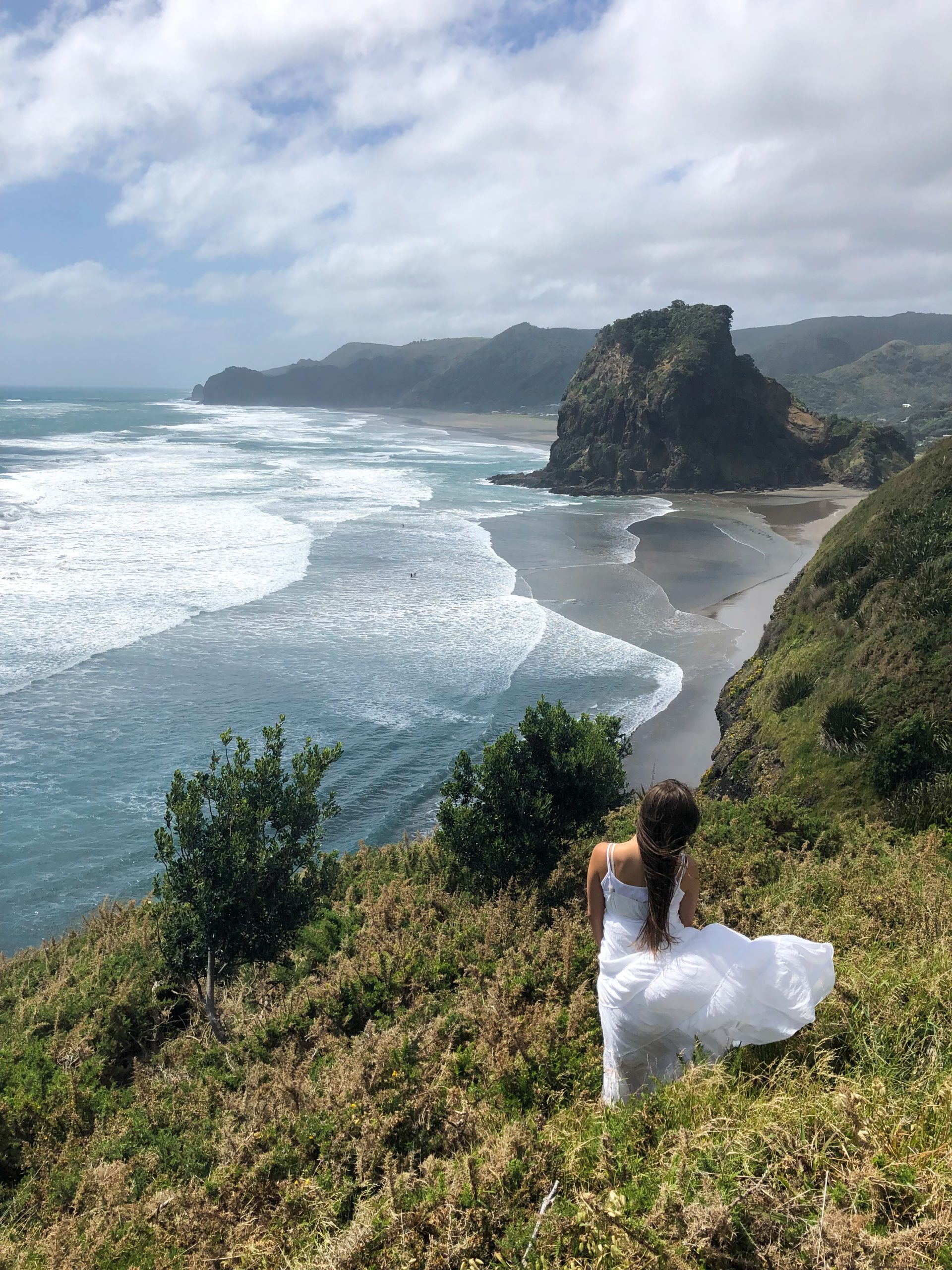
A spot with black volcanic sand and powerful surf, popular with experienced surfers, with the striking Lion Rock as a landmark and several hiking trails in the neighboring Waitākere Ranges.

Lion Rock – Piha's landmark with a view over the beach and seaWild, black sand beach, popular with surfersTasman Lookout with a view over the coast
More aboutPiha →
8
Hamilton, New Zealand
North Island
Hamilton

A young, lively city centered around Waikato University, with nice cafés, green parks and the impressive Hamilton Gardens, but above all the ideal starting point for a day trip to the world-famous Waitomo Caves.
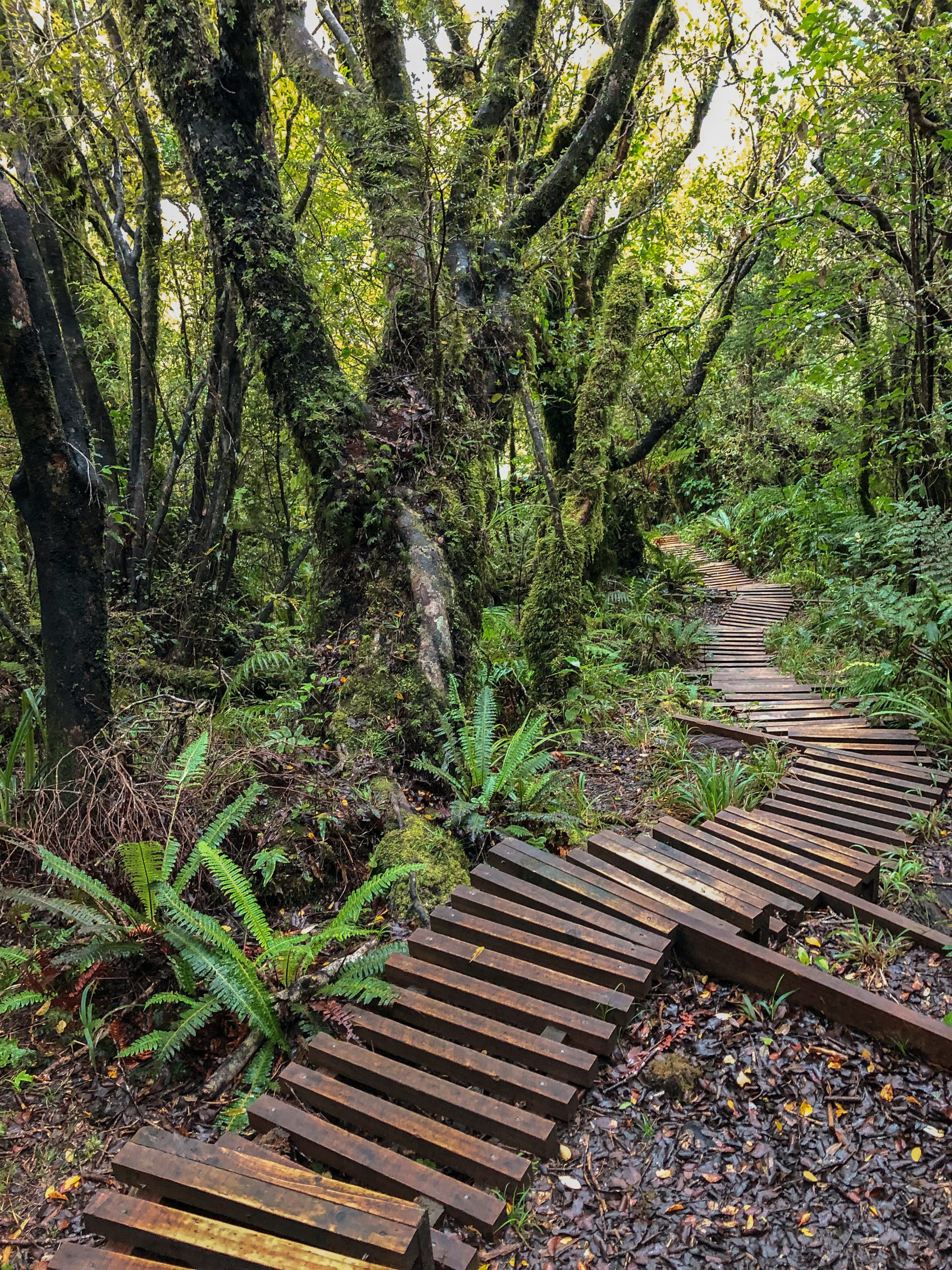
Waitomo Caves – famous glowworm caves, about an hour awayHamilton Gardens and green parksYoung, student atmosphere thanks to Waikato University
More aboutHamilton →
9
New Plymouth, New Zealand
North Island, west coast
New Plymouth

A city on the west coast with a coastal walkway more than 10 kilometers long and the Len Lye Centre for modern art, but above all the starting point for the impressive Mount Taranaki volcano in Egmont National Park.
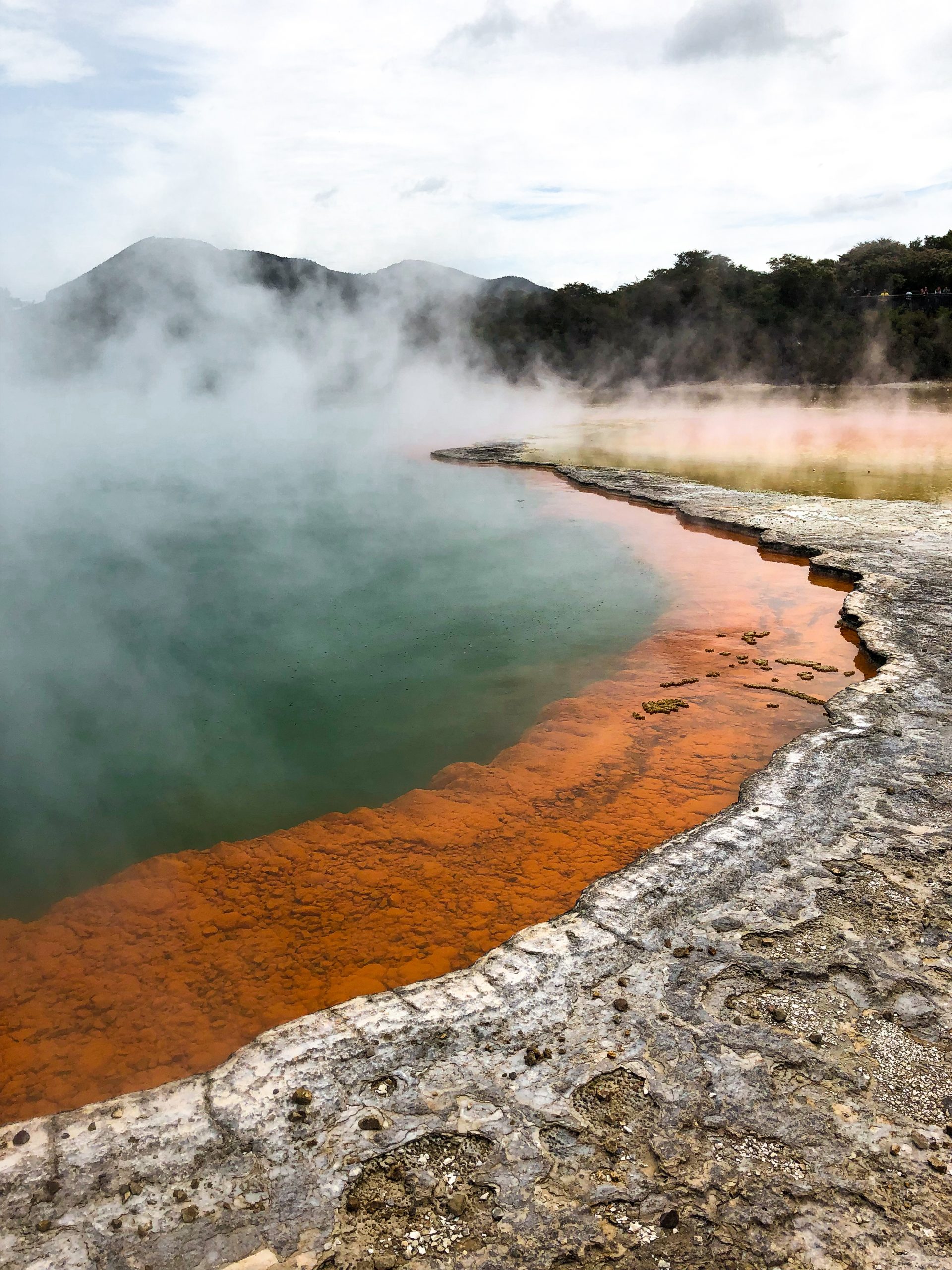
Egmont National Park with the striking Mount TaranakiCoastal walkway over 10 kilometers longLen Lye Centre for modern art
More aboutNew Plymouth →
10
Taupo, New Zealand
North Island, Lake Taupō
Taupo

A lively town on the shore of Lake Taupō, popular for hiking, mountain biking and water sports, surrounded by waterfalls, hot springs and volcanic landscapes, a good starting or finishing point for the Tongariro Alpine Crossing.
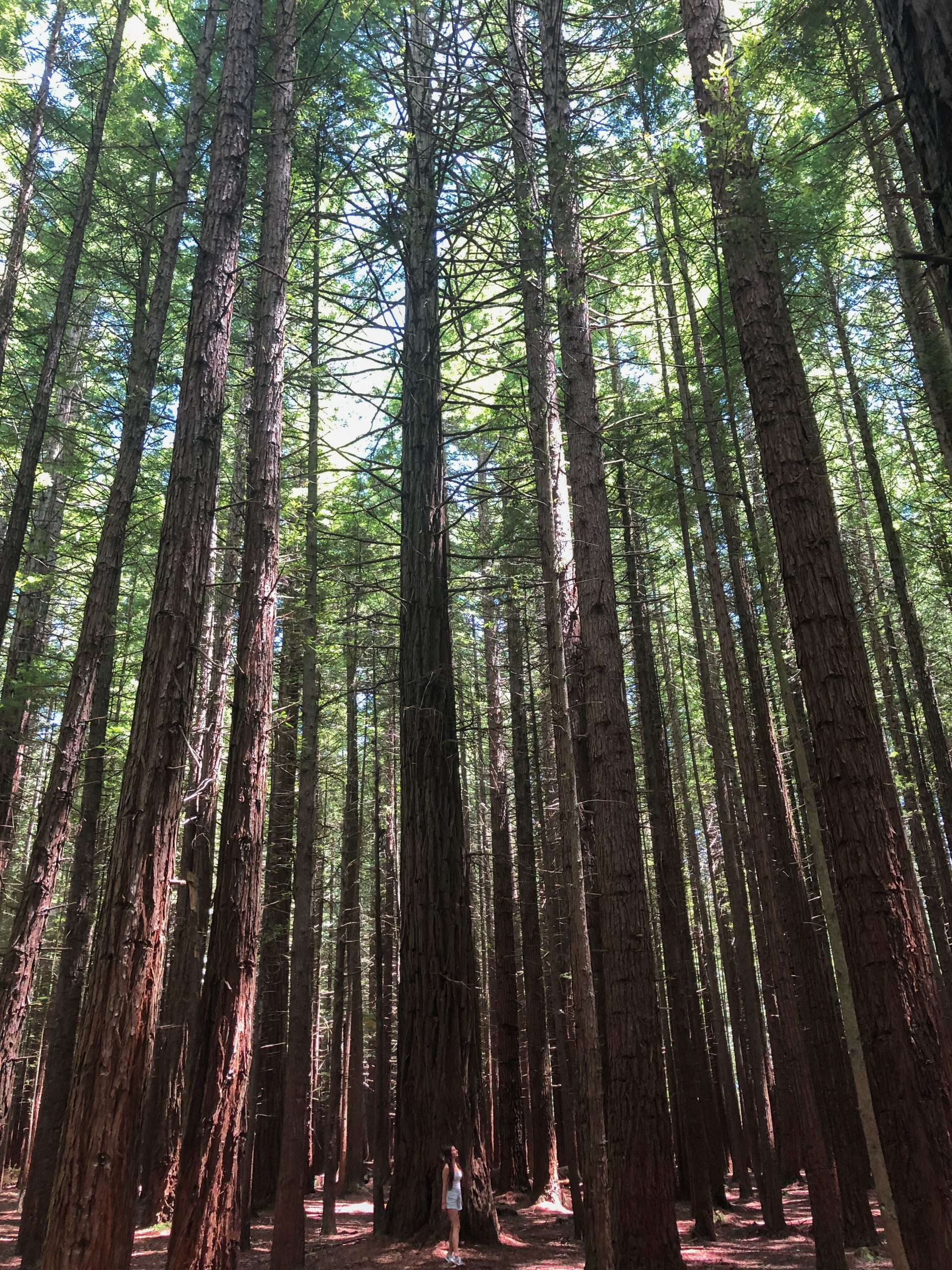
Huka Falls – turquoise water with enormous forceWai-O-Tapu geothermal park with the Champagne Pool and Lady Knox GeyserNatural thermal pool "Hot'n'Cold" right on the river
More aboutTaupo →
11
Rotorua, New Zealand
North Island, volcanic highlands
Rotorua

About 1 hour by car from Taupo (around 80 km): Rotorua is famous for its geothermal activity right in the middle of town, with rising steam clouds, hot springs, bubbling mud pools and active geysers.
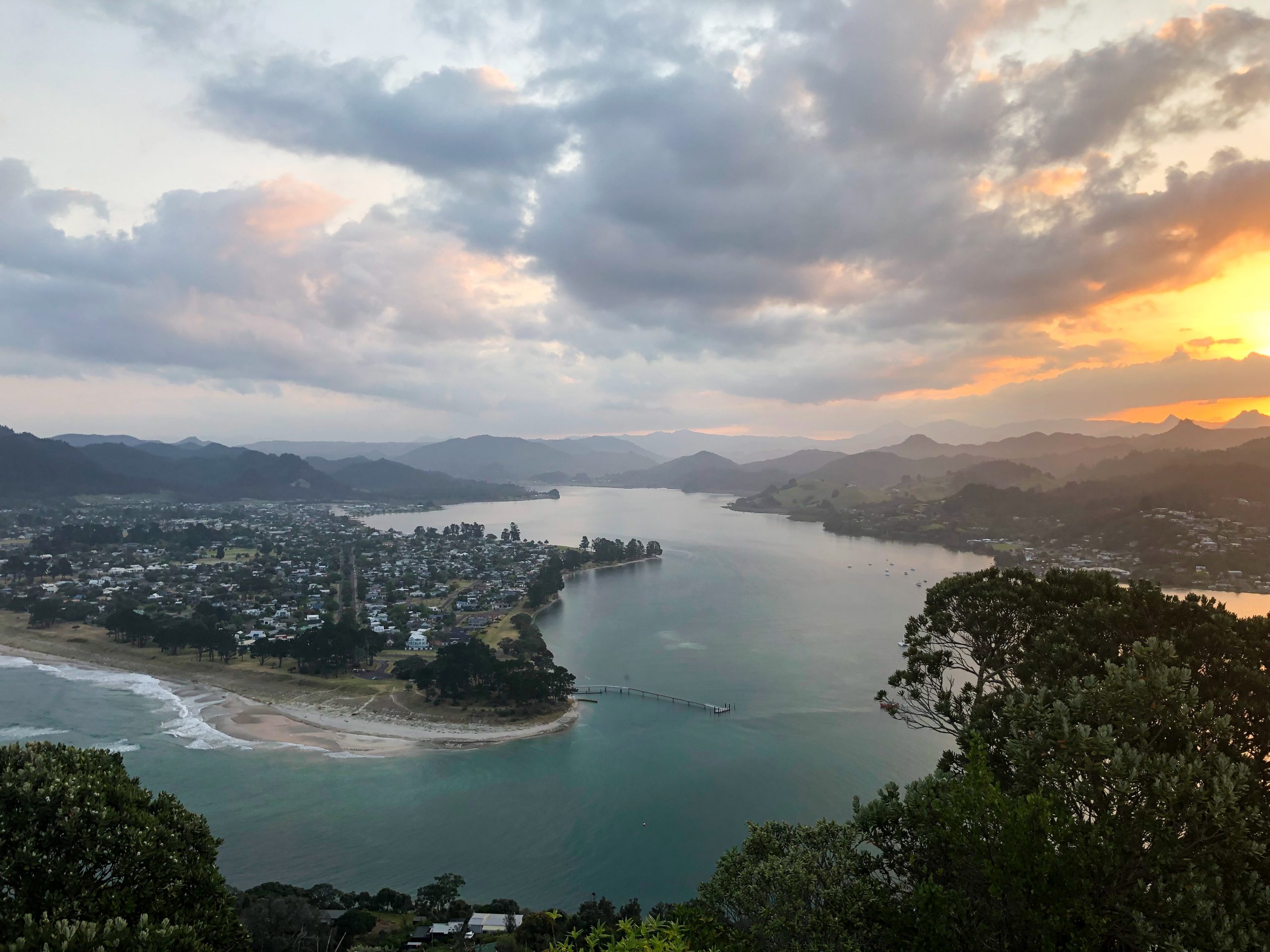
Geothermal fields with geysers, mud pools and a sulfur smell right in the middle of townCenter of Māori culture with dance, art and traditional foodKaituna River – whitewater rafting over the highest commercially rafted waterfall in the world
More aboutRotorua →
12
Tairua, New Zealand
Coromandel Peninsula
Tairua

A popular stopover on the east coast of the Coromandel Peninsula, known for its relaxed atmosphere, its long sandy beach and the striking Mount Paku, an extinct volcanic cone with a great view.
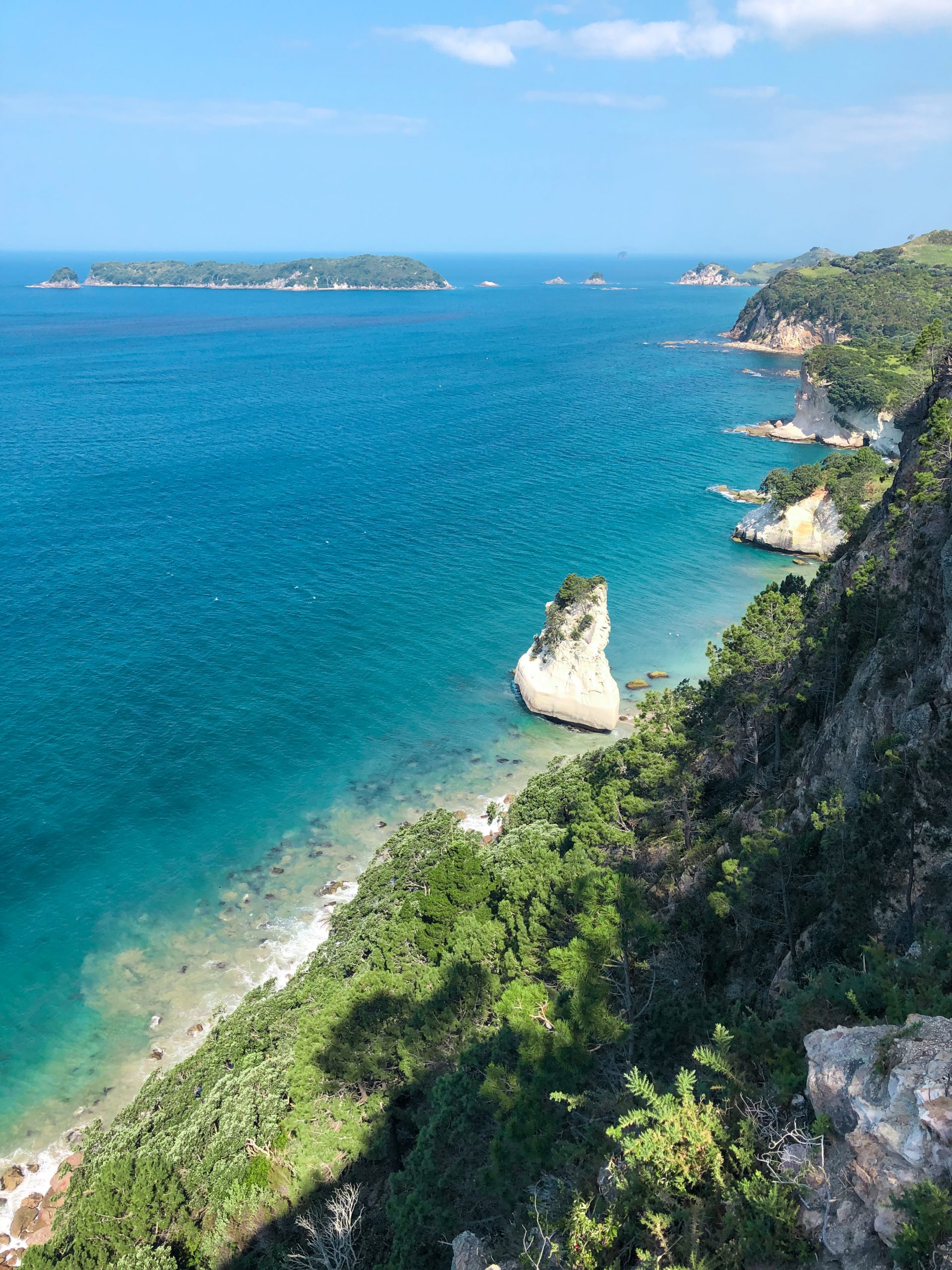
Mount Paku – extinct volcanic cone with a view over the coast and river mouthA good base for Hot Water Beach and Cathedral Cove (each about 30 min. away)Te Karo Bay – a quiet, secluded bay
More aboutTairua →
13
Hahei, New Zealand
Coromandel Peninsula
Hahei

A small coastal town about 10 minutes south of Tairua, known above all as the starting point for the famous Cathedral Cove, a natural rock archway right on the sea. Hahei's own beach offers white sand, clear water and sits right on the Te Whanganui-A-Hei Marine Reserve.
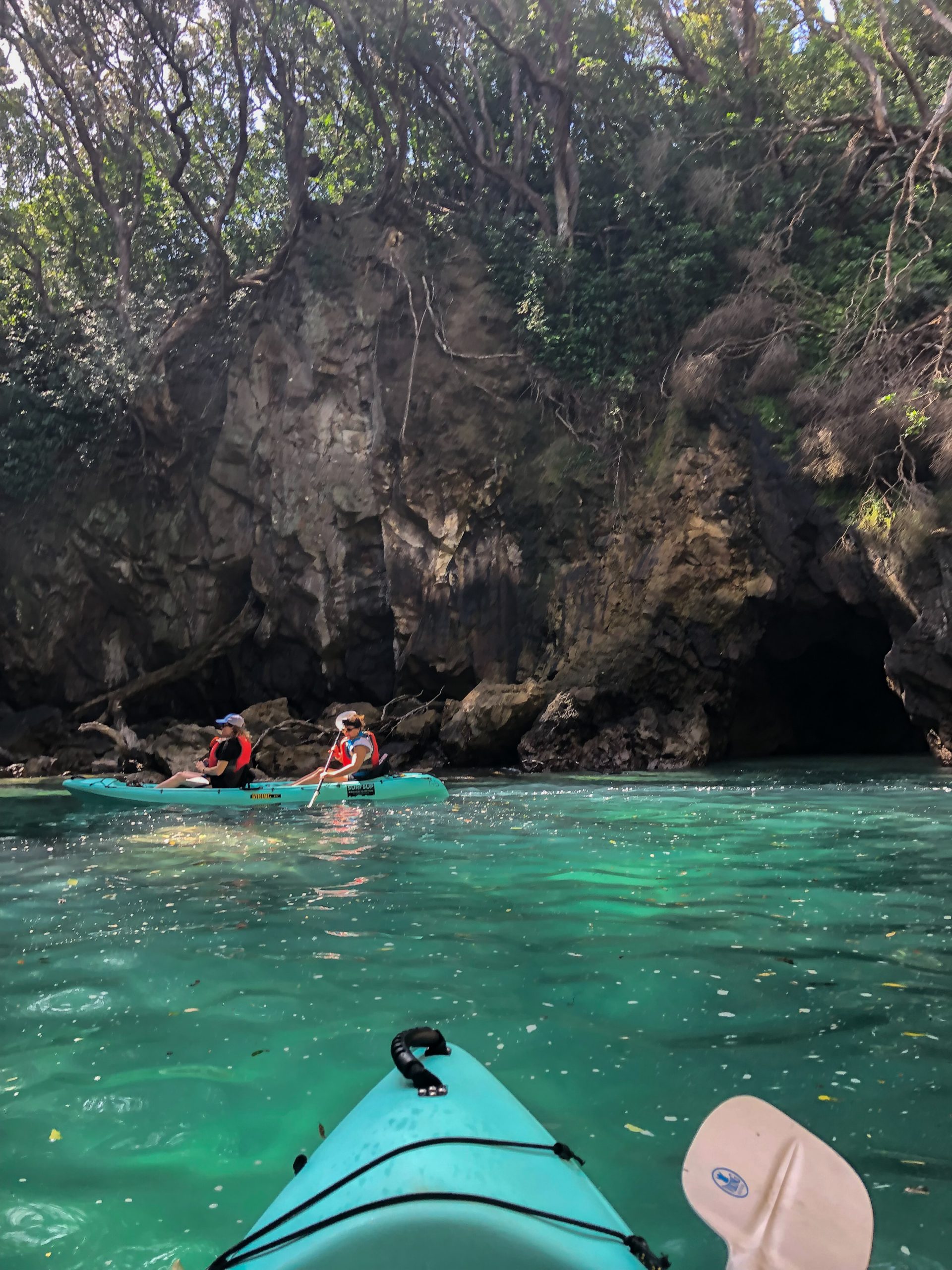
Cathedral Cove – striking rock formation, about 45 min. on foot or by kayakHahei Beach with fine, at times pink-tinged sandTe Whanganui-A-Hei Marine Reserve for snorkeling and diving
More aboutHahei →
14
Whangamatā, New Zealand
Coromandel Peninsula
Whangamatā

A popular surf and beach town on the southeastern coast of the Coromandel Peninsula, known for its long sandy beaches and good surf conditions, popular with locals and travelers in summer, but usually more relaxed than other coastal towns.

Long sandy beach, popular with surfersGuided kayaking to Donut Island through narrow rock passages
More aboutWhangamatā →
Everything You Need to Know

Practical Info

✈️
Getting there & transport

There are no direct flights from Germany to New Zealand, expect around 24–30 hours of travel time including one or two layovers (e.g. via Asia or the Middle East). Within the country, a rental car or campervan is the most common way to get around, since public transport is limited outside the cities.

🏨
Accommodation

The range is huge, from hostels to motels to lodges. Campervans are especially popular with travelers, and the corresponding sites (Holiday Parks) are well developed nationwide.

🍜
Food & drink

The cuisine is internationally influenced, with a strong focus on fresh, regional produce, especially lamb, seafood and wine from regions like Marlborough or Central Otago. Tap water is safe to drink nationwide.

🎒
Packing list

A layering system of light and warm clothing is essential, since the weather in New Zealand can change several times a day, 'four seasons in one day' is not unusual. Sturdy hiking boots and a wind- and waterproof jacket belong in your bag for the many outdoor activities.

Given the intense UV radiation, high-SPF sunscreen and good sunglasses are a must, even on cloudy days. For campervan trips warm sleepwear is worth packing, since it can get cool at night even in summer, especially in the south. An adapter (Type I, 230V) shouldn't be missing.

🚁
Drone rules

Generally liberal but clearly regulated drone rules from the Civil Aviation Authority (CAA) apply in New Zealand. In many national parks and nature reserves, however, flying is banned or only allowed with special permission from the Department of Conservation (DOC).

Out of respect, flying over sacred Māori sites (Wāhi Tapu) should generally be avoided, even where this isn't regulated by law everywhere. It's worth checking the current DOC and CAA rules before your trip, since regulations can vary a lot by area.

Full drone guide for New Zealand →
💊
Health & safety

No special vaccinations are required, but standard immunizations should be up to date. New Zealand is considered one of the safest travel destinations in the world.

Medical care is at a high Western standard, but can be limited in very remote regions. Travel health insurance is strongly recommended, since medical treatment is chargeable for tourists. For outdoor activities like hiking or water sports, keep in mind the strong UV radiation and the often changeable mountain weather.

🙏
Culture & etiquette

Māori culture is a firmly established part of public life, for example at welcome ceremonies (Pōwhiri) or the haka. Respectful treatment of nature and local traditions is taken very seriously, many natural sites hold special spiritual significance for Māori.